Understanding the distinction between regular cleaning and deep cleaning is essential for maintaining a healthy and organized home. Regular cleaning typically focuses on surface-level tasks that ensure cleanliness on a daily or weekly basis. On the other hand, deep cleaning delves into the less visible areas that often accumulate dust, grime, and allergens over time. By comprehensively examining both types of cleaning, homeowners can better manage their cleaning schedules and create a fresh living space that promotes well-being.
What is Regular Cleaning?
Regular cleaning involves routine tasks aimed at maintaining a clean home environment. This usually includes cleaning visible surfaces, dusting, vacuuming, and mopping floors. The primary goal is to manage day-to-day dirt and debris, preventing the buildup of grime. Regular cleaning tasks can often be completed in a short time, usually weekly or bi-weekly, allowing homeowners to maintain an orderly space without requiring extensive effort or resources. It’s essential for overall home maintenance but does not target the deeper, hidden areas that often require more thorough attention.
What is Deep Cleaning?
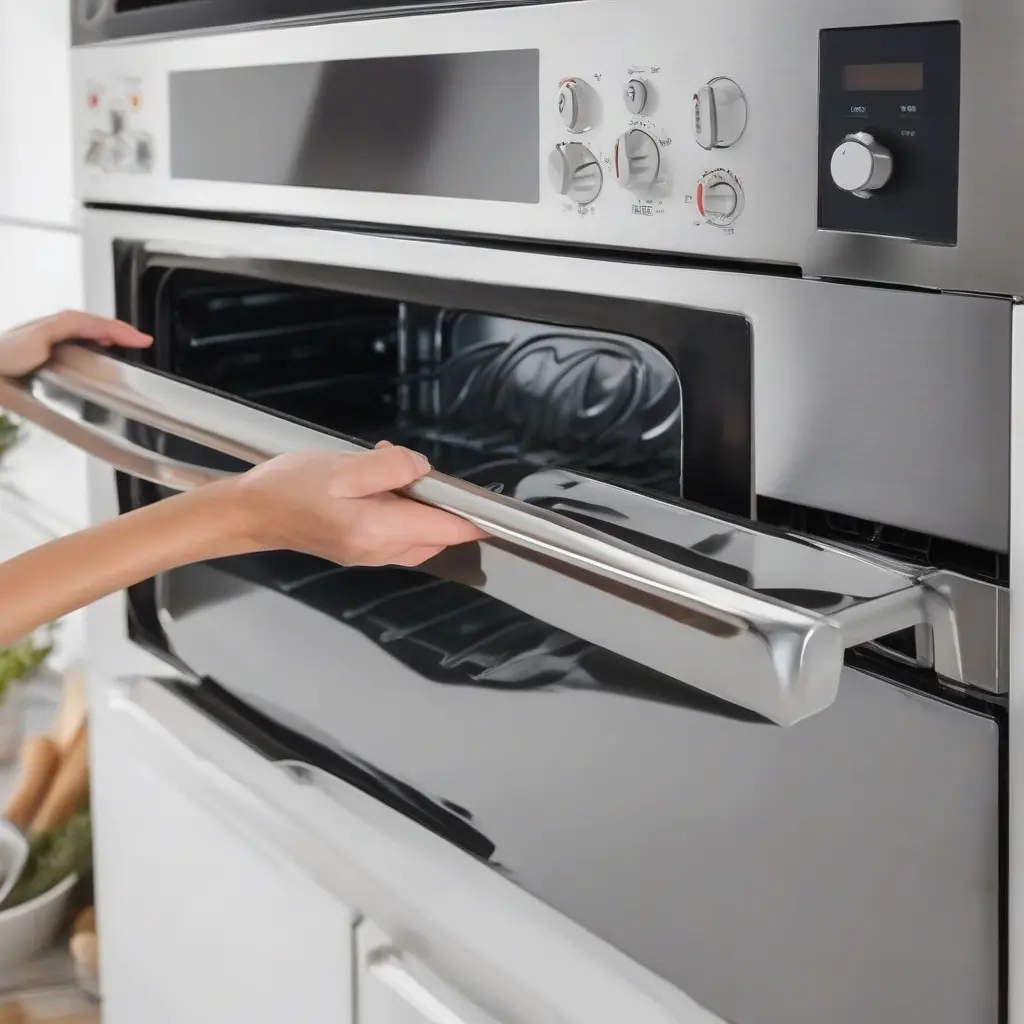
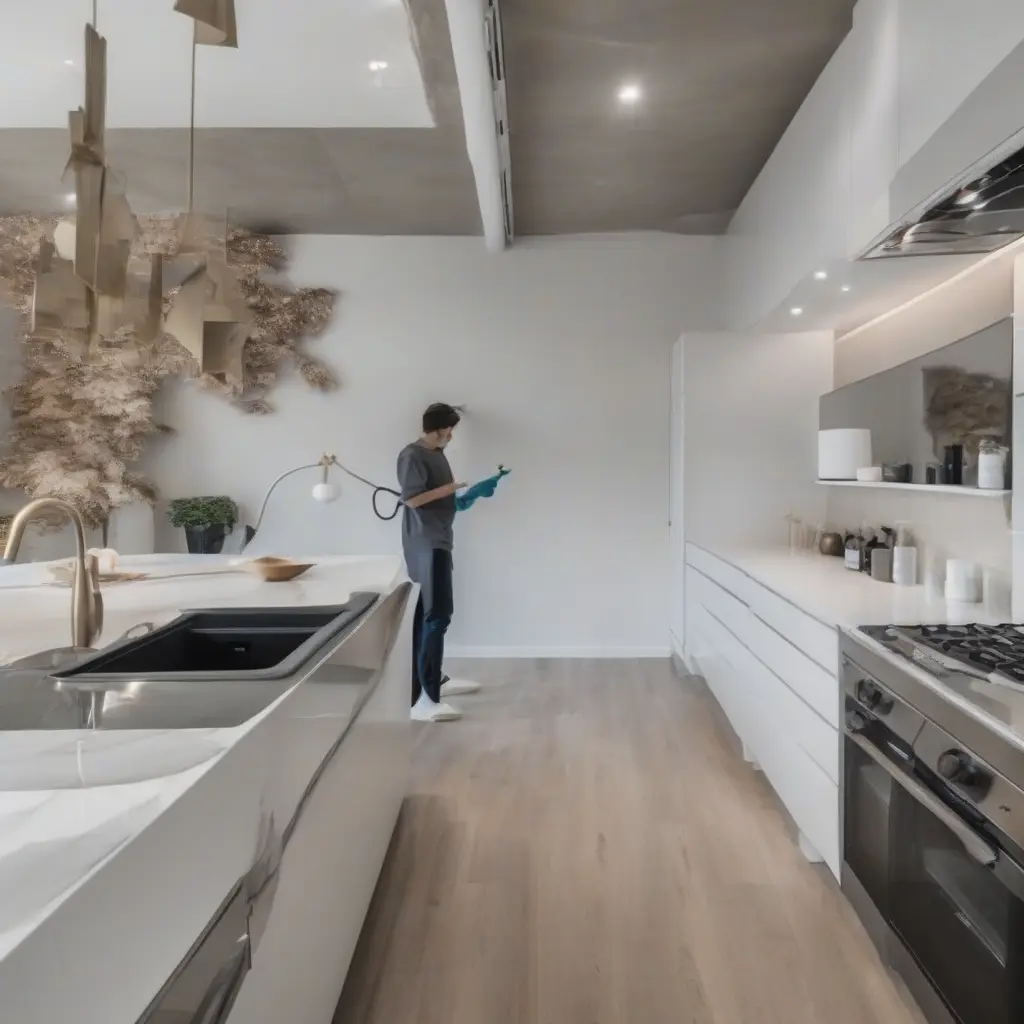
Deep cleaning, in contrast, is a more intensive process focused on areas that are typically overlooked during regular cleaning. It involves thorough scrubbing of surfaces, cleaning behind and underneath furniture and appliances, and tackling stubborn stains that have accumulated over time. Deep cleaning also includes washing drapes, cleaning light fixtures, and sanitizing bathrooms and kitchens. This comprehensive approach ensures that both visible and hidden dirt, allergens, and bacteria are removed, contributing to a healthier living environment. Deep cleaning is recommended periodically, often seasonally, to maintain overall cleanliness.
Key Differences Between Regular and Deep Cleaning
The key differences between regular and deep cleaning lie in the depth and scope of the tasks involved. Regular cleaning is surface-level and quick, designed to uphold daily hygiene standards, while deep cleaning is extensive and time-consuming, focusing on hidden built-up debris and allergens. Additionally, regular cleaning can often be performed by anyone, while deep cleaning may require specialty tools or professional services. Understanding these differences can help homeowners prioritize their cleaning efforts effectively, ensuring both immediate cleanliness and long-term sanitation.
How Often Should You Deep Clean Your Home?
Determining how often to deep clean your home depends on several factors, such as lifestyle, allergies, and the presence of pets. Typically, a deep clean is recommended every three to six months. However, if you have children or pets, more frequent deep cleaning may be necessary due to higher levels of dirt, hair, and allergens. Likewise, if anyone in the household suffers from allergies, deep cleaning more often can help alleviate symptoms. Establishing a deep cleaning schedule ensures that all areas of your home remain hygienic and livable.
Benefits of Regular Cleaning
Regular cleaning offers numerous benefits that contribute to a healthier and more organized home. Firstly, it helps to manage day-to-day dirt and clutter, making it easier to navigate living spaces. Secondly, keeping areas tidy can significantly reduce the risk of pest infestations, as food particles and grime that attract pests are removed regularly. Furthermore, a consistently clean environment can improve mental well-being by providing a sense of order and calm. Finally, regular cleaning can extend the life of your home’s surfaces and furnishings, as dirt and grime can wear them down over time.
Benefits of Deep Cleaning
Deep cleaning provides essential benefits that go beyond regular surface cleaning. It reduces allergens significantly, improving indoor air quality, which is crucial for individuals with respiratory issues. Deep cleaning also removes bacteria and viruses from surfaces that are commonly overlooked, thereby enhancing overall health and safety. Additionally, the process often refreshes the home’s appearance, making it feel vibrant and inviting. Regular deep cleaning can prolong the lifespan of carpets, furniture, and appliances by preventing dirt accumulation that can lead to damage or deterioration.
DIY Deep Cleaning Tips
For those interested in tackling deep cleaning on their own, several DIY tips can make the process more manageable. Start by creating a checklist that outlines all the areas needing attention, breaking tasks down into rooms. Use a combination of vinegar and baking soda for effective and natural cleaning, particularly in kitchens and bathrooms. Set aside specific time blocks for each task to avoid feeling overwhelmed. It’s also helpful to gather all necessary supplies beforehand. Lastly, consider enlisting family members for assistance, turning the task into a collaborative effort that can make the work more enjoyable.
When to Hire Professionals for Deep Cleaning
While many homeowners can manage deep cleaning tasks themselves, there are times when hiring professionals may be the best option. If the home has extensive dirt buildup that seems unmanageable or if you’re preparing for special events, professional services ensure thorough cleaning. Additionally, if you have health concerns that make deep cleaning physically challenging, enlisting experts can alleviate stress. Professionals often have access to specialized tools and products that can provide a deeper clean than standard home cleaning methods. By outsourcing deep cleaning, you can focus on other essential aspects of home maintenance.
Conclusion
In summary, understanding the differences between regular cleaning and deep cleaning is vital for maintaining a healthy and comfortable home. Regular cleaning is essential for everyday upkeep, while deep cleaning ensures that hidden areas are addressed and sanitized. By incorporating both practices into your home maintenance routine, you can enjoy a cleaner environment that supports your overall well-being.