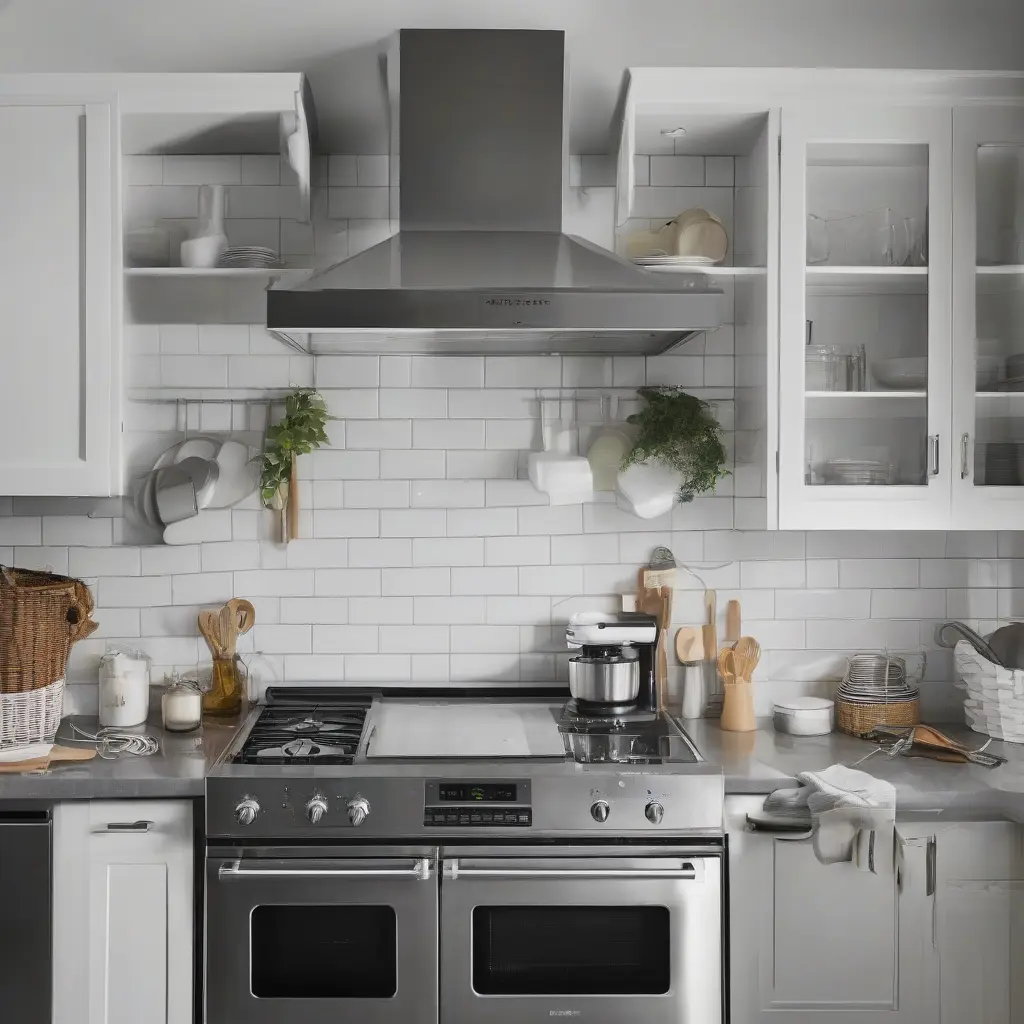
Deep cleaning kitchen appliances is an essential part of maintaining a hygienic and efficient kitchen. Over time, appliances collect grime, grease, and food particles that can affect their performance and longevity. This comprehensive guide offers practical tips and tricks for deep cleaning various kitchen appliances, ensuring not only a cleaner appearance but also improved functionality. From refrigerators and ovens to microwaves and dishwashers, each section will empower you to tackle these tasks effectively and efficiently.
Why Deep Cleaning is Important
Regular deep cleaning of kitchen appliances is crucial for several reasons, including hygiene, efficiency, and longevity. Over time, accumulated dirt and grease can harbor bacteria and create unpleasant odors, ultimately impacting food safety. Additionally, clean appliances operate more efficiently, reducing energy consumption and preventing breakdowns. By ensuring that every component is free from residues, you extend the lifespan of these devices, thereby saving money in the long run. Overall, prioritizing deep cleaning enhances the overall cooking environment and encourages a healthier lifestyle.
Essential Supplies for Deep Cleaning
Before starting your deep cleaning project, gather essential cleaning supplies to ensure an efficient process. Common supplies include microfiber cloths, sponges, an all-purpose cleaner, baking soda, vinegar, and a soft-bristle brush. Depending on the appliance, additional specialized cleaners may be required, such as stainless steel cleaner for fridges or oven cleaner for stoves. Having these materials organized will streamline your cleaning sessions, making the task less daunting. Overall, being prepared helps you tackle each appliance effectively and achieve higher cleaning standards.
Deep Cleaning the Refrigerator
To deep clean your refrigerator, start by emptying its contents and disposing of expired items. Remove shelves and drawers, and wash them with warm, soapy water. Wipe down the interior using a mixture of vinegar and water to eliminate odors and sanitize surfaces. Pay attention to door seals, as crumbs often accumulate there. After cleaning, dry everything thoroughly before replacing shelves and returning food items. This task should be performed every three to six months to maintain hygiene and ensure your fridge operates efficiently.
Cleaning the Oven Effectively
Oven cleaning can be a daunting task, but it is essential for maintaining a clean kitchen. Begin by removing the oven racks and soaking them in hot, soapy water. For the oven interior, sprinkle baking soda on stained areas and spray white vinegar over it, allowing the mixture to foam. Let it sit for several hours or overnight, making it easier to scrub off stubborn grime. After wiping down the interior with a damp cloth, you can replace the racks. Regular deep cleaning not only improves the oven’s appearance but also helps reduce cooking odors.
Microwave Deep Cleaning Tips
Cleaning the microwave is often overlooked, but it is vital for preventing the buildup of food particles and odors. A simple method involves placing a bowl of water with slices of lemon in the microwave and heating it for about five minutes. The steam generated will help loosen any baked-on food, making it easier to wipe clean. Afterward, use a damp cloth to clean the interiors. Additionally, clean the microwave exterior, including buttons and the door seal, for a complete clean. This routine can enhance the microwave’s performance and lifespan.
Dishwasher Maintenance and Cleaning
Maintaining your dishwasher is essential for ensuring it operates effectively and provides spotless dishes. Start by removing any food debris from the filter and inspecting the spray arms for blockages. Run a cycle with a cup of vinegar placed in the top rack to help eliminate odors and remove mineral deposits. Additionally, wipe the door seals with a damp cloth to prevent mold growth. Regularly descaling your dishwasher ensures it runs at optimal efficiency, contributing to cleaner dishes and sparking a pleasant kitchen environment.
Cleaning Small Kitchen Appliances
Small kitchen appliances, such as toasters, blenders, and coffee makers, also require regular deep cleaning to keep them functioning well. For toasters, unplug it and shake out crumbs; you can use a damp cloth to clean the exterior. Blend a mixture of water and vinegar in your blender and run it to clean internal components, followed by thorough rinsing. Brew a cycle of vinegar or a specialized descaling solution in coffee makers to maintain their functionality. By giving attention to small appliances, you ensure they don’t harbor bacteria while maximizing their longevity.
Creating a Deep Cleaning Schedule
Developing a deep cleaning schedule can significantly enhance your kitchen maintenance routine. Consider dedicating time monthly for appliance cleaning tasks, ensuring no appliance is overlooked. For example, set specific months for cleaning the refrigerator and oven while allocating every six months for a thorough dishwasher clean. Creating this schedule can help break down the daunting task of deep cleaning into manageable segments. Additionally, it encourages accountability and highlights the importance of maintaining a clean cooking environment, ultimately fostering better kitchen hygiene.
Common Mistakes to Avoid
When deep cleaning kitchen appliances, it is essential to avoid common mistakes that can lead to ineffective results or damage. One frequent error is using abrasive cleaning materials, which can scratch surfaces and harm finishes. Additionally, neglecting to unplug appliances before cleaning may create safety hazards. Skipping detailed areas, such as door seals or hidden corners, can result in lingering dirt and odors. Finally, rushing through the process without allowing cleaning solutions to work can diminish their effectiveness. Adhering to best practices ensures a thorough cleaning experience.
Conclusion
Deep cleaning kitchen appliances is an essential practice that contributes to a hygienic and efficient cooking environment. By following the tips outlined in this guide, you can effectively tackle the cleaning of larger appliances like refrigerators and ovens, as well as smaller ones like toasters and blenders. Establishing a regular deep cleaning schedule while avoiding common mistakes will not only extend the lifespan of your appliances but also promote a healthier home. A clean kitchen ultimately enhances both cooking experiences and overall quality of life.