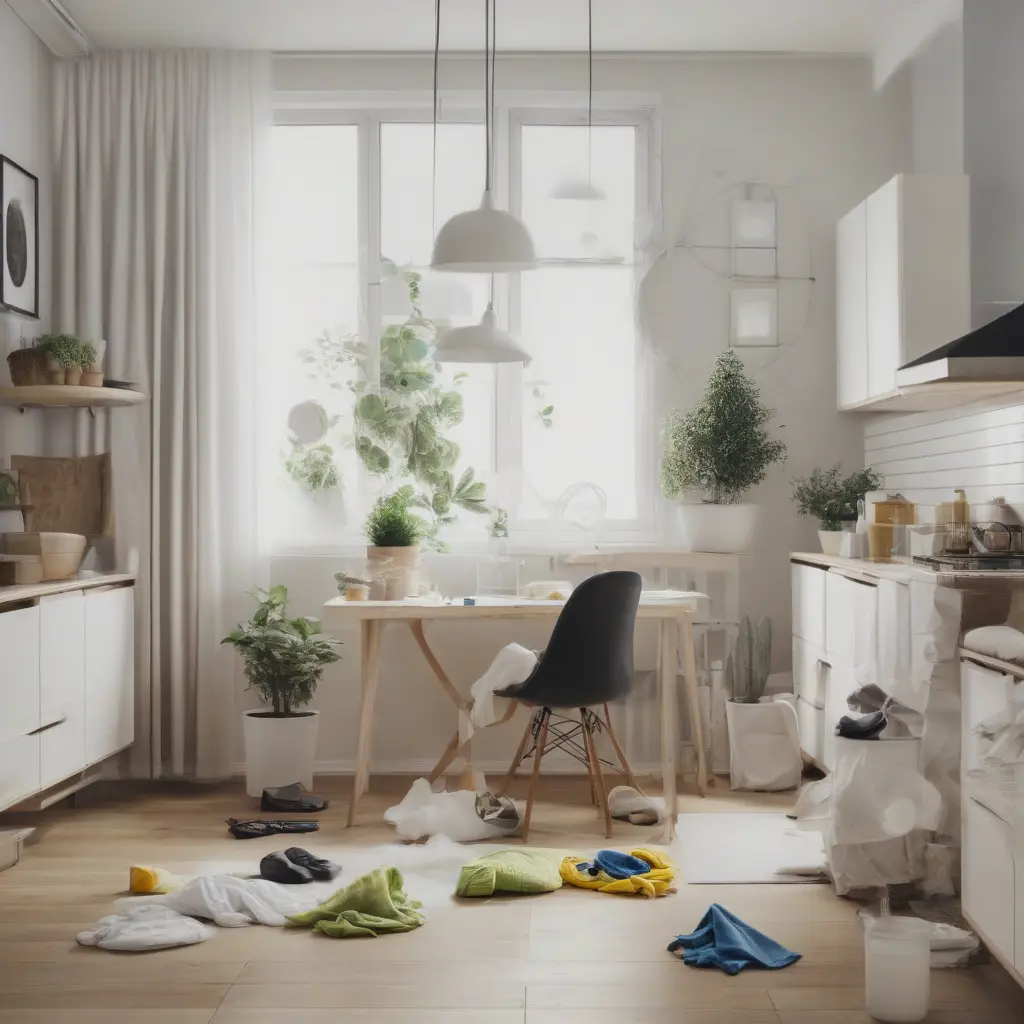
Maintaining a clean home can be challenging, especially for near-procrastinators who often find themselves delaying chores. Fortunately, there are quick fixes that can transform tidiness into a manageable task. This article aims to provide actionable, time-efficient cleaning tricks for those who might struggle with procrastination, making it easier to keep your living space organized and welcoming. By implementing these strategies, homekeepers can effectively reduce clutter and enjoy a more serene environment.
Set a Timer for Quick Tasks
One effective strategy for combating procrastination is setting a timer for quick tasks. By allocating just 10 or 15 minutes to a specific chore, you can break down larger cleaning projects into bite-sized pieces. The timer creates a sense of urgency, often making the task feel less daunting. Moreover, this method can serve as a motivating challenge, allowing you to focus solely on that task without distractions. Once the timer goes off, you may even find that you want to continue cleaning, helping to develop a more productive routine.
Prioritize High-Impact Areas
Focusing on high-impact areas can significantly enhance the perceived cleanliness of your home with minimal effort. Spend time decluttering and tidying up the most visible spaces, such as the living room, kitchen, and entrance. These areas often create the first impression, so keeping them organized can make a real difference in your home’s overall appearance. By prioritizing these spots, you’ll feel a sense of accomplishment and motivation to tackle the less visible areas over time, helping to facilitate a more systematic cleaning regime.
Use a Cleaning Caddy for Efficiency
A cleaning caddy can be a game-changer for homekeepers who tend to procrastinate. By gathering all your cleaning supplies in one easily accessible container, you can save time and reduce the friction of having to search for items. This allows for a more efficient cleaning process as you can quickly move from one room to another without interruption. Moreover, having a dedicated caddy encourages you to keep it stocked with essential supplies, making it easier to jump into cleaning sessions whenever you find a few spare moments.
Implement the One-Minute Rule
The One-Minute Rule is a simple yet effective concept for minimizing clutter and maintaining cleanliness. If a task takes less than a minute to complete—like putting away items, wiping a countertop, or tossing out trash—do it immediately. This not only keeps your space tidy but also prevents small tasks from piling up. Adopting this short and manageable approach can lead to a cleaner home without requiring significant time commitments, making it ideal for those who often put things off.
Streamline Your Cleaning Supplies
Simplifying your cleaning supplies can help streamline the cleaning process and reduce procrastination. Instead of gathering multiple products for different tasks, opt for versatile and multi-purpose cleaners to tackle a variety of surfaces. This not only minimizes clutter under your sink but also saves time in searching for the right product. By consolidating your cleaning arsenal, you can confidently approach cleaning tasks and make the process feel less overwhelming, leading to more frequent cleaning sessions.
Make Use of Technology for Reminders
Leveraging technology can help homekeepers stay on top of their cleaning responsibilities. Setting reminders on your smartphone or using scheduling apps can provide subtle nudges to complete tasks regularly. You can program notifications for daily, weekly, or monthly chores to ensure nothing falls through the cracks. These reminders act as helpful prompts, maintaining your focus on cleaning and preventing procrastination, ultimately contributing to a more organized living environment.
Create a Cleaning Playlist
Music can significantly enhance the cleaning experience and make it feel less of a chore. Curate a cleaning playlist filled with your favorite upbeat songs to energize you while tidying up. The rhythm and mood uplift your spirits, transforming mundane tasks into enjoyable activities. Setting an engaging atmosphere allows you to move quickly through the cleaning process, helping you stay focused and productive without the temptation to procrastinate.
Establish a Cleaning Routine
Having a consistent cleaning routine can dramatically reduce the temptation to procrastinate. By designating specific days for certain tasks—like laundry on Wednesdays and vacuuming on Saturdays—you create a structure that keeps cleaning responsibilities from becoming overwhelming. Following a predictable schedule makes cleaning a more manageable habit rather than a daunting obligation. Over time, this can help diminish procrastination tendencies, leading to a regularly maintained home.
Involve Family or Housemates
Involving family members or housemates in cleaning tasks can help share the workload while reducing the burden on one individual. Assign specific roles or chores to different individuals, creating a sense of teamwork and accountability. This not only makes cleaning faster but often transforms it into a more enjoyable and social activity. When everyone participates, you’ll find that maintaining a tidy home feels less daunting, fostering a collaborative environment that encourages promptness.
Celebrate Small Wins
Acknowledging and celebrating small cleaning accomplishments can motivate near-procrastinators to keep going with their tasks. When you complete a minor chore, take a moment to appreciate your effort and the resulting cleanliness. This positive reinforcement encourages a sense of achievement, prompting you to tackle additional tasks. By embracing a mindset that values progress over perfection, you can cultivate a more sustainable cleaning habit that keeps procrastination at bay.
Conclusion
Incorporating quick fixes into your cleaning routine can transform the way near-procrastinators manage their homekeeping tasks. By utilizing strategies such as timers, checklists, and motivating environments, it’s possible to maintain a neat and organized space without overwhelming yourself. The key lies in creating manageable systems that inspire rather than intimidate, making cleanup a more enjoyable part of daily life.