Deep cleaning your heating and cooling system is essential for maintaining excellent indoor air quality. Over time, dust, allergens, and debris can accumulate, affecting both the efficiency of the system and the health of the occupants. This guide provides step-by-step instructions on how to deep clean various components of your HVAC system, ensuring a healthier living environment while also potentially lowering energy costs. By following these thorough cleaning processes, you can extend the lifespan of your system and enjoy cleaner, fresher air throughout your home.
Why Deep Cleaning is Essential for Your HVAC System
Deep cleaning your HVAC system is crucial for several reasons. Firstly, it helps remove accumulated dust and allergens that can circulate in your home, potentially triggering allergies and respiratory issues. Secondly, a clean heating and cooling system operates more efficiently, which can lower your energy bills. Additionally, regular maintenance can prevent costly repairs in the future, extending the life of your equipment. Lastly, cleaner air contributes to a more comfortable living environment, making it beneficial for the overall well-being of household members.
Safety Precautions Before You Start
Before embarking on the deep cleaning process, it is important to take safety precautions. Start by turning off the power to your HVAC system to prevent any accidental startups during cleaning. Wear protective gear, including gloves and a mask, to shield yourself from dust and allergens that may be released. Additionally, ensure that the area around your system is clear of any obstacles to facilitate safe and efficient cleaning. By taking these measures, you safeguard both your health and the integrity of your HVAC system during the deep cleaning process.
Gather Your Cleaning Supplies
Before you begin, gather all necessary cleaning supplies to streamline the process. Essential items include a vacuum cleaner with a HEPA filter, cleaning brushes, a damp cloth, and specialized cleaning agents for HVAC systems. A coil cleaner can be useful for removing dirt buildup on the condenser and evaporator coils. Additionally, a screwdriver set will be required for accessing various components. Having all tools and supplies ready will not only save time but also make the cleaning process more effective and thorough.
Cleaning Your Air Filters
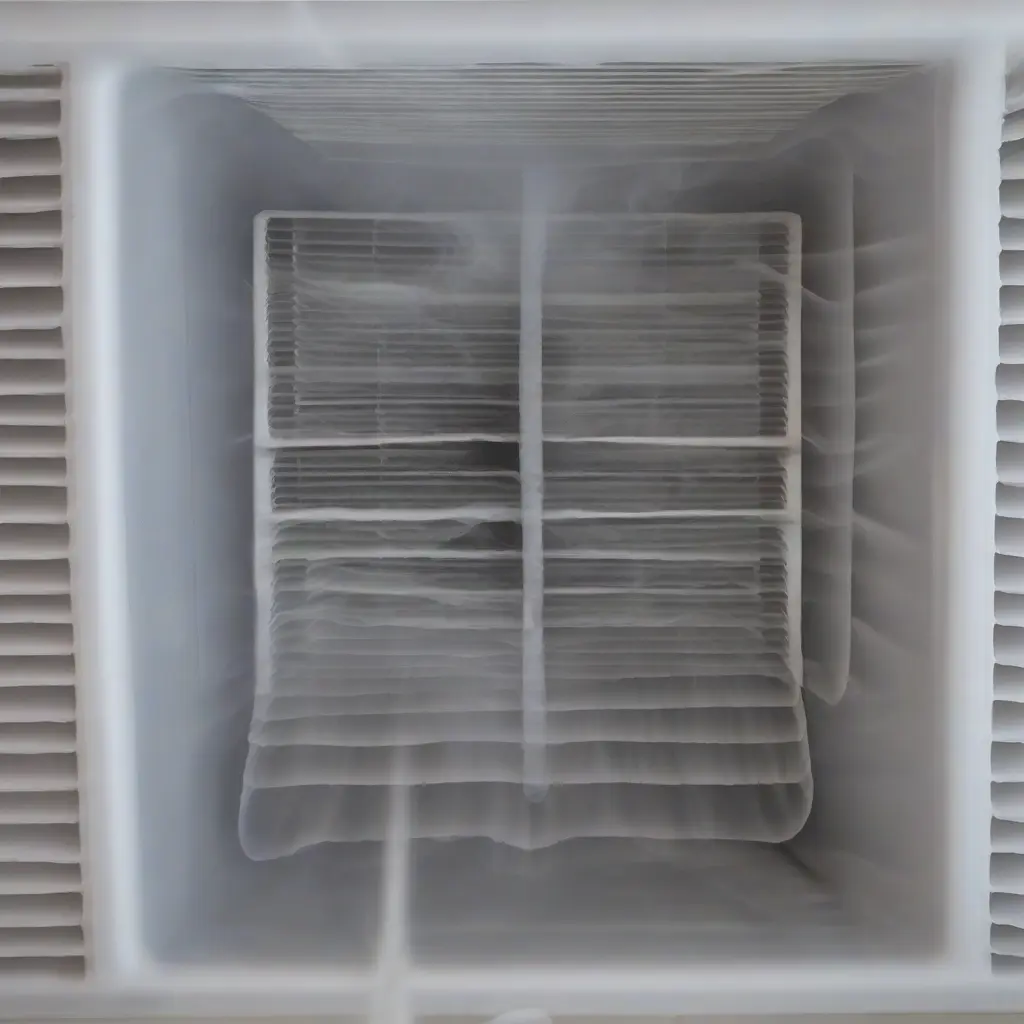
One of the first steps in deep cleaning your HVAC system is to clean or replace the air filters. Clogged filters can impede airflow and decrease the system’s efficiency. If your filters are reusable, remove them and clean them according to the manufacturer’s instructions, usually by vacuuming or washing them with soap and water. If they are disposable, replace them with new ones. Regularly maintaining air filters can significantly improve indoor air quality and ensure your heating and cooling system runs smoothly.
Cleaning the Ductwork
Ductwork can accumulate a lot of dust and allergens over time, so it’s crucial to clean it regularly. Start by using a vacuum with a long attachment to reach into the ducts, ensuring you remove any debris from the walls. Consider using a brush to scrub stubborn dirt in hard-to-reach areas. For a more thorough cleaning, you may want to hire professionals who use specialized equipment. Clean ductwork contributes to better airflow and a significant improvement in air quality throughout your home.
Cleaning the Indoor Unit
To clean the indoor unit, first, remove the access panel according to the manufacturer’s guidelines. Use a soft brush to clean dust and debris from the components, particularly around the blower motor and coil. Wipe down surfaces with a damp cloth to eliminate any remaining dirt. Pay attention to the drain pan and ensure it is clear to avoid mold growth. Regularly cleaning the indoor unit can prevent mechanical issues and improve the efficiency of your heating and cooling system.
Cleaning the Outdoor Unit
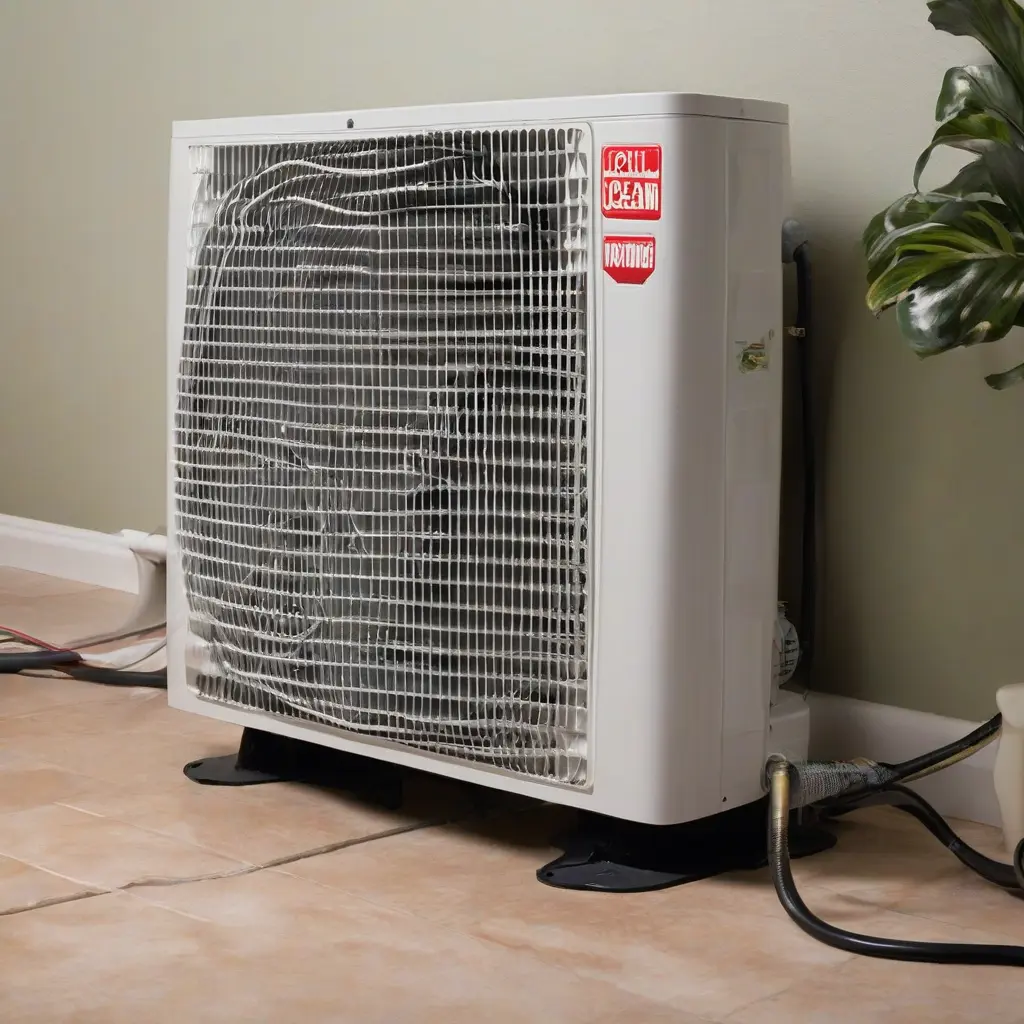
The outdoor unit plays a pivotal role in your HVAC system’s performance, making it essential to keep it clean. Start by clearing any debris, such as leaves, dirt, or grass clippings, around the unit to allow for proper airflow. Use a garden hose to gently wash the exterior and remove built-up dirt. Be cautious not to directly spray the electrical components. Cleaning the fins with a soft brush can further enhance airflow. A well-maintained outdoor unit operates efficiently, contributing to improved energy consumption and air quality.
Checking and Sealing Duct Connections
After cleaning, it’s vital to check the duct connections for any leaks or gaps. Leaky ducts can significantly reduce the efficiency of your heating and cooling system, leading to increased energy costs. Inspect the joints and seals, and use duct tape or a sealant to secure any loose areas. Sealing your duct connections ensures that the system runs more efficiently, providing you with cleaner air while saving energy in the long run. This maintenance step is essential for optimal HVAC performance.
Regular Maintenance for Longevity
After completing the deep cleaning, it’s essential to establish a regular maintenance schedule to keep your HVAC system in top shape. Aim to clean or replace air filters every one to three months, depending on usage. Additionally, a thorough system inspection and cleaning should be performed annually, ideally before the heating or cooling season starts. Regular maintenance not only enhances air quality but also improves system efficiency and extends its lifespan, reducing the need for costly repairs.
Signs Your HVAC System Needs Attention
Being vigilant about signs that your HVAC system requires attention can save you from future issues. Watch for indicators such as inconsistent temperatures throughout your home, strange noises coming from the unit, or an increase in energy bills. Additionally, if you notice a musty smell or visible mold around the vents, it’s crucial to take action immediately. Recognizing these signs early on can help you prevent significant damage and maintain healthy indoor air quality.
Conclusion
Deep cleaning your heating and cooling system is a vital practice for ensuring better air quality in your home. By following the outlined steps and maintaining a regular cleaning schedule, you can significantly reduce airborne pollutants, enhance system efficiency, and extend the life of your equipment. Taking these proactive measures not only contributes to the comfort of your home but also promotes the health and well-being of everyone living there.