Deep cleaning and sanitizing your kitchen after preparing raw meat is crucial for maintaining a safe cooking environment. Raw meat can harbor harmful bacteria such as Salmonella, E. coli, and Campylobacter, which can lead to foodborne illnesses. Proper cleaning protocols not only ensure the health and safety of your home but also enhance your overall cooking experience. In this guide, we will explore the necessary steps and techniques to effectively deep clean your kitchen, focusing on surfaces, tools, and storage areas. By following these steps, you can ensure that your kitchen remains a safe place for preparing delicious meals.
Gather Necessary Cleaning Supplies
Before you start your deep cleaning process, it’s essential to gather all necessary supplies. You will need hot soapy water, disinfectant, bleach or vinegar, microfiber cloths, sponges, a scrub brush, and gloves. Using high-quality cleaning supplies can enhance your cleaning efficiency. Make sure to choose an appropriate disinfectant that is safe for food contact surfaces. Additionally, ensure that all your cleaning tools are thoroughly cleaned and in good condition before starting. Having everything organized will streamline the cleaning process, allowing you to cover every area effectively.
Remove All Items from Surfaces
Once you have gathered your supplies, the next step is to remove all items from countertops, tables, and other surfaces where raw meat was prepared. This includes appliances, utensils, and any food items that may have been in contact with the raw meat. By clearing the countertops, you can thoroughly clean and sanitize each surface without any obstruction. Ensure you check hidden spots where bacteria might linger, and set aside any items that need deep cleaning themselves. This step is essential for creating a safe workspace for your cleaning activities.
Clean Surfaces with Soapy Water
Begin cleaning by using hot soapy water to wipe down all surfaces. This includes countertops, cutting boards, and tables that came into contact with the raw meat. Soapy water helps remove food particles and grease, which is important before applying disinfectants. Be thorough in your cleaning, paying special attention to corners, seams, and areas where meat juices may have splattered. Once surfaces are cleaned, rinse with clean hot water to remove any soap residue. This foundational step is critical in minimizing harmful bacteria before sanitizing.
Disinfect All Surfaces
After cleaning surfaces with soapy water, the next vital step is to disinfect them. Use a disinfectant that is food-safe and follows the manufacturer’s guidelines for dilution and contact time. Spray the disinfectant evenly on all surfaces and allow it to sit for the recommended time to effectively kill bacteria. This is especially important for surfaces that directly contacted raw meat. Never skip this step, as it is critical in reducing the risk of cross-contamination. Once the dwell time is complete, wipe the surfaces with a clean cloth to remove any excess disinfectant.
Tackle Kitchen Tools and Appliances
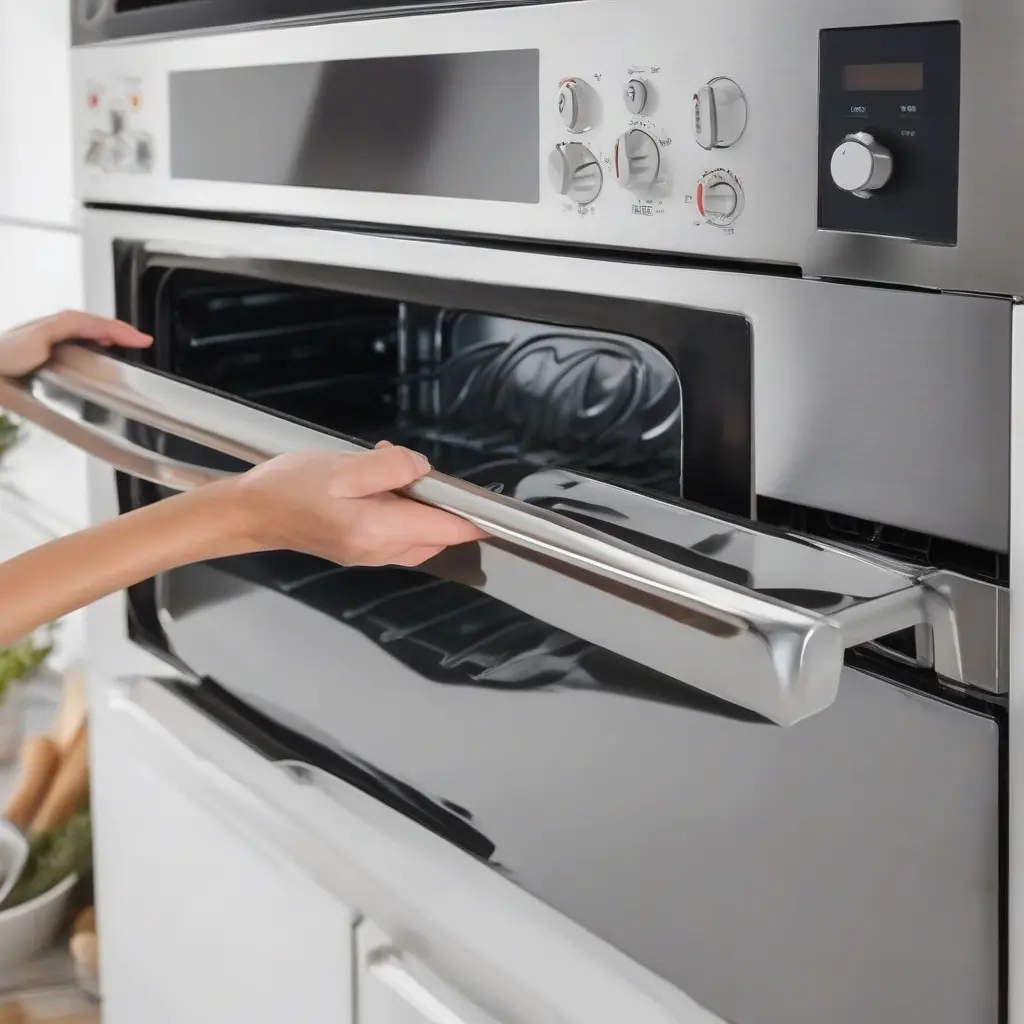
Kitchen tools and appliances used for preparing raw meat also require deep cleaning. Start with utensils like knives, spatulas, and cutting boards. Wash them in hot soapy water or place them in a dishwasher if they are dishwasher safe. For larger appliances like meat grinders or blenders, disassemble them as per the manufacturer’s instructions and clean each component thoroughly. Don’t forget to sanitize the exteriors of appliances, as bacteria can be present there as well. Properly cleaning kitchen tools ensures that they are safe for your next culinary adventure.
Wash Textiles and Dishware
Textiles such as dish towels, oven mitts, and aprons can harbor bacteria if not cleaned properly. After cooking raw meat, consider washing these items on high heat to kill any lingering bacteria. Dishware and utensils should also be washed thoroughly in hot soapy water or in a dishwasher. Make sure that any sponges or dishcloths used are also sanitized or replaced regularly. Clean textiles are crucial in preventing cross-contamination, as they often come in contact with both food and surfaces during meal preparation.
Address Sink and Garbage Disposal Areas
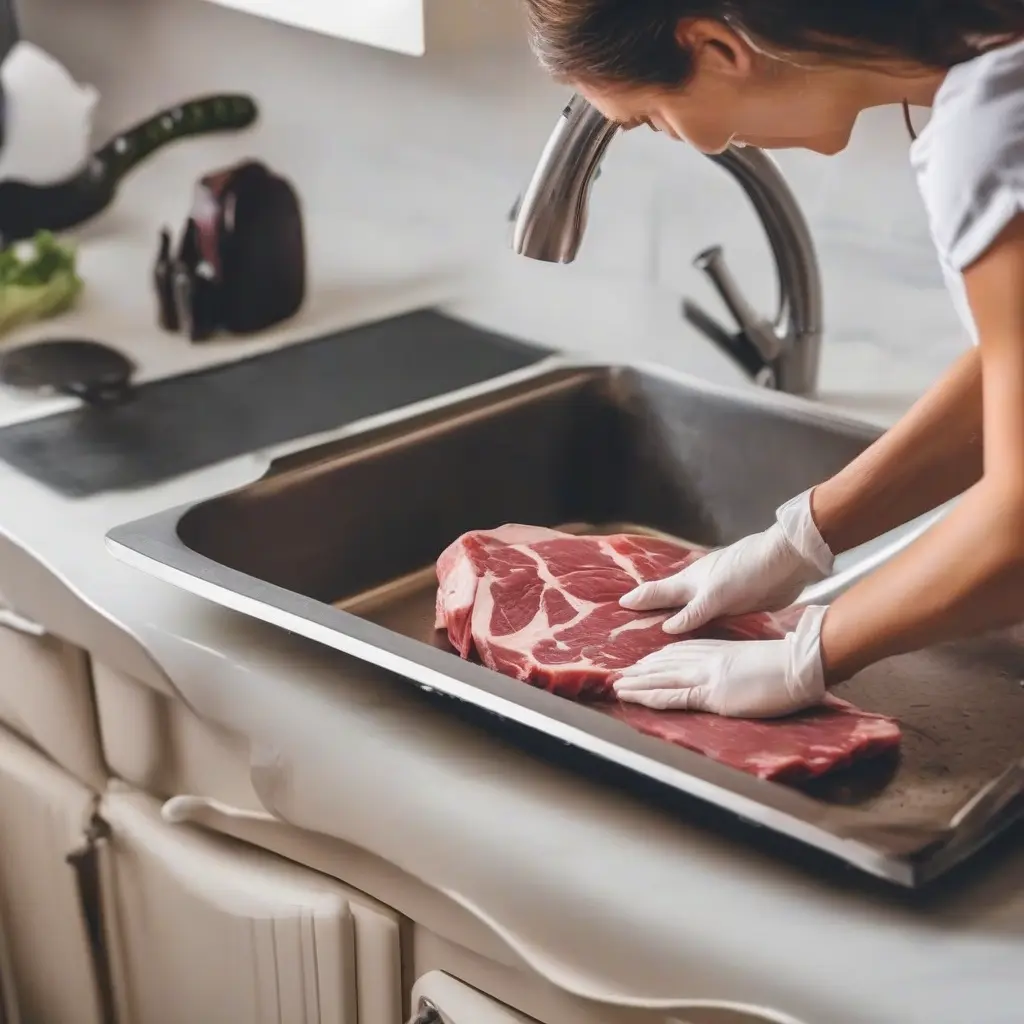
The kitchen sink and garbage disposal areas are often overlooked but need special attention after handling raw meat. Begin by washing and disinfecting the sink with hot soapy water, ensuring to scrub any visible stains. Allow disinfectants to sit for the recommended time before rinsing thoroughly. For the garbage disposal, consider grinding a mix of ice and citrus peels to clean and deodorize the blades. This practice not only helps in removing odors but also cleans any residues that might cling after preparing raw meat. Ensuring these areas are clean is vital for overall kitchen hygiene.
Clean the Flooring
Once all surfaces and tools are cleaned and sanitized, it’s time to focus on the kitchen floor. A thorough cleaning of the floor is essential, particularly in areas where meat was prepared. Use a mop or steam cleaner with a suitable floor cleaner that kills bacteria. Pay attention to any spills or stains that may have occurred during the cooking process. Regularly cleaning your kitchen floor will not only maintain hygiene but also enhance the overall appearance of your kitchen. This step is often neglected, but it plays a crucial role in preventing cross-contamination.
Reorganize and Store Items Safely
After completing the deep cleaning process, carefully reorganize your kitchen. Place items back on surfaces only after ensuring they have been cleaned and sanitized. Store raw meat in the refrigerator or freezer, ensuring that they are sealed properly to prevent leaks, which can contaminate other foods. Additionally, implement proper storage practices, such as using separate areas for raw meat and ready-to-eat foods. Keeping your kitchen organized not only enhances its aesthetic but also maintains a safe cooking environment for you and your family.
Practice Regular Cleaning Routines
Establishing a regular cleaning routine will help you maintain kitchen hygiene over time. Consider scheduling daily, weekly, and monthly cleaning tasks to ensure everything is kept in top shape. Daily tasks may include wiping counters and washing used dishes, while weekly tasks involve deep cleaning surfaces and appliances. Monthly routines could focus on organizing your pantry and inspecting for expired items. This proactive approach not only saves time but also instills good hygiene habits, reducing the likelihood of foodborne illnesses in your home.
Conclusion
Deep cleaning and sanitizing your kitchen after cooking raw meat is an essential practice for ensuring a safe cooking environment. By following the outlined steps—from gathering supplies to maintaining regular cleaning routines—you safeguard your kitchen against harmful bacteria. A clean kitchen not only enhances your culinary experience but also promotes health and well-being for you and your family. Regular sanitation, combined with good organizational habits, will contribute to a consistently safe space for meal preparation. Take the time to implement these practices for a healthier cooking environment.