After an illness, ensuring your home is thoroughly cleaned and disinfected is essential to prevent the spread of germs and promote a healthy environment. This guide provides a structured approach to deep cleaning your home, focusing on high-touch surfaces and areas where the sick individual spent time. By following these steps, you will help safeguard your household from potential health risks and create a safer space for everyone.
Assessing the Situation Before Cleaning
Before diving into the cleaning process, assess your home to determine which areas require the most attention. Identify where the sick person spent the majority of their time, such as bedrooms, bathrooms, and common areas. Make a checklist of specific items and surfaces that need cleaning and disinfecting, such as bedding, clothing, and personal items. This initial assessment will ensure that you focus your efforts where they are most needed and that no area is overlooked.
Gathering Necessary Cleaning Supplies
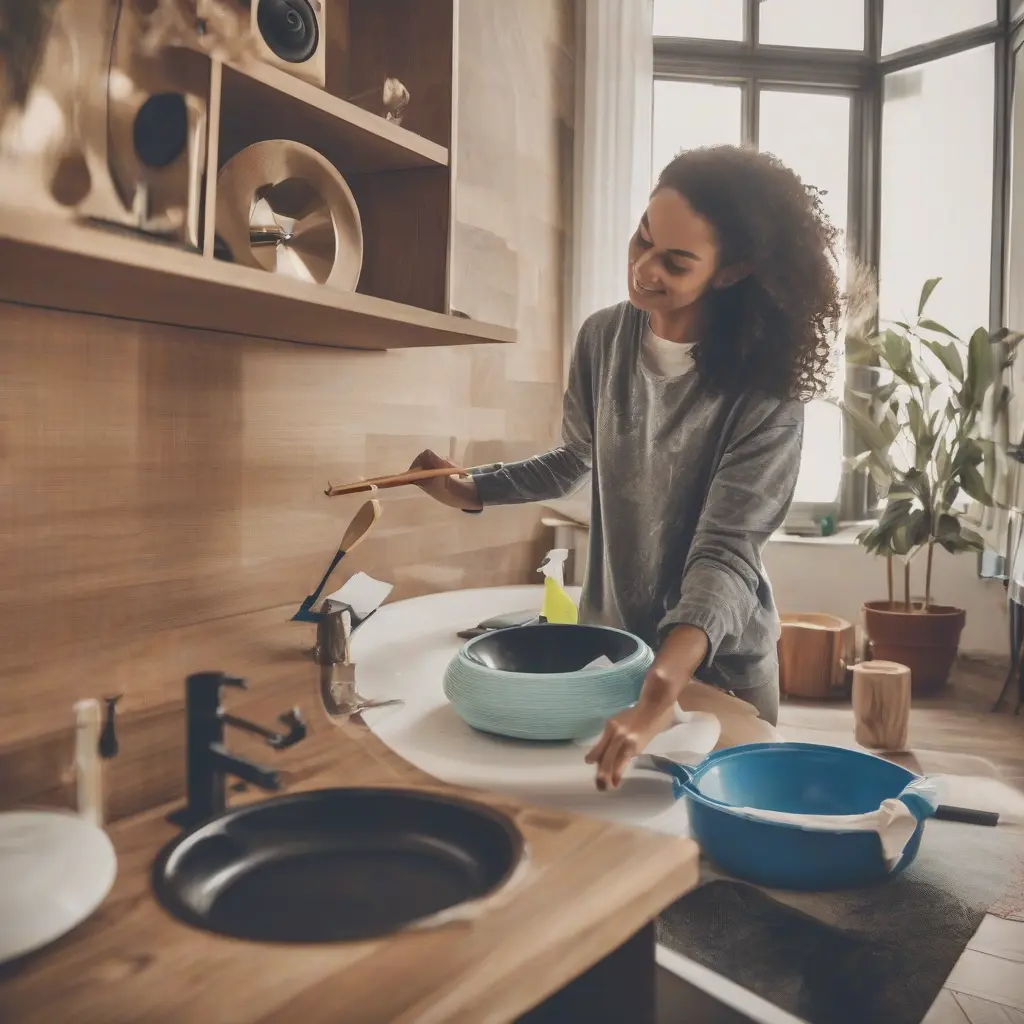
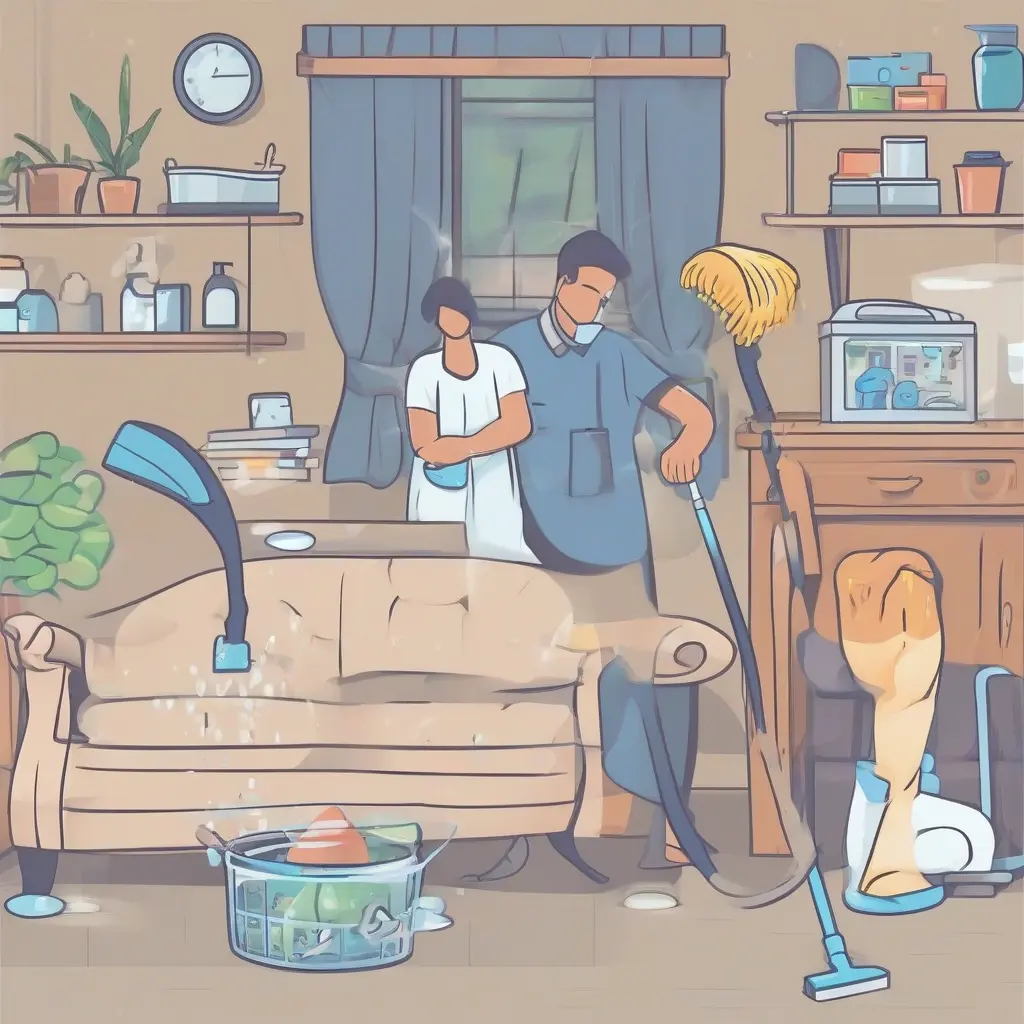
To effectively deep clean and disinfect your home, gather all necessary cleaning supplies before starting the process. Essential items include gloves, masks, microfiber cloths, sponges, a mop, and a vacuum cleaner. Additionally, acquire disinfectants that meet CDC guidelines, such as bleach solutions or EPA-registered household disinfectants. Having everything prepared will streamline the cleaning process and reduce the likelihood of contamination while you work.
Preparing Your Cleaning Environment
Creating a clean and safe environment for your deep cleaning efforts is crucial. Start by ensuring proper ventilation in your home; open windows and doors to allow fresh air to circulate. If possible, designate specific cleaning areas to minimize the risk of cross-contamination. Don protective gear, such as gloves and masks, to protect yourself from exposure to harmful germs and disinfectants. Preparing your environment sets a solid foundation for an effective cleaning session.
Cleaning High-Touch Surfaces First
High-touch surfaces are hotspots for germs, especially after illness. Focus first on frequently used areas such as doorknobs, light switches, handrails, remote controls, and faucets. Use a disinfectant wipe or spray to thoroughly clean these surfaces, ensuring that they remain wet for the recommended contact time as per the product instructions. Pay special attention to any surfaces that may have been touched frequently by the sick individual, as these are more likely to harbor pathogens.
Disinfecting Soft Surfaces
After addressing hard surfaces, turn your attention to soft surfaces, including carpets, upholstery, and curtains. These materials can also harbor germs, so it’s essential to treat them properly. Vacuum carpets and upholstered furniture using a vacuum equipped with a HEPA filter to capture small particles. For items that are machine washable, launder them using the hottest water setting recommended by the manufacturer, and dry them thoroughly to eliminate any remaining germs.
Cleaning and Disinfecting Bathrooms
Bathrooms require special attention due to the potential for higher germ presence. Start by cleaning the toilet, sink, and shower areas using a suitable disinfectant cleaner. Scrub surfaces to remove dirt and grime, and be sure to disinfect items like faucets, toilet handles, and towel racks. Additionally, consider washing any towels or bath mats used during the illness. Completing this thorough cleaning will ensure that your bathroom is germ-free and safe for use.
Handling Laundry Safely
When it comes to laundry after an illness, handling items with caution is critical to minimizing germ spread. Use gloves when touching potentially contaminated laundry, and avoid shaking it to minimize aerosolizing germs. Use the hottest water allowable for the fabrics, and consider adding a laundry sanitizer if accessible. After washing, dry items completely, as heat helps eliminate remaining pathogens, ensuring that laundry is safe for daily use.
Cleaning Kitchen Surfaces
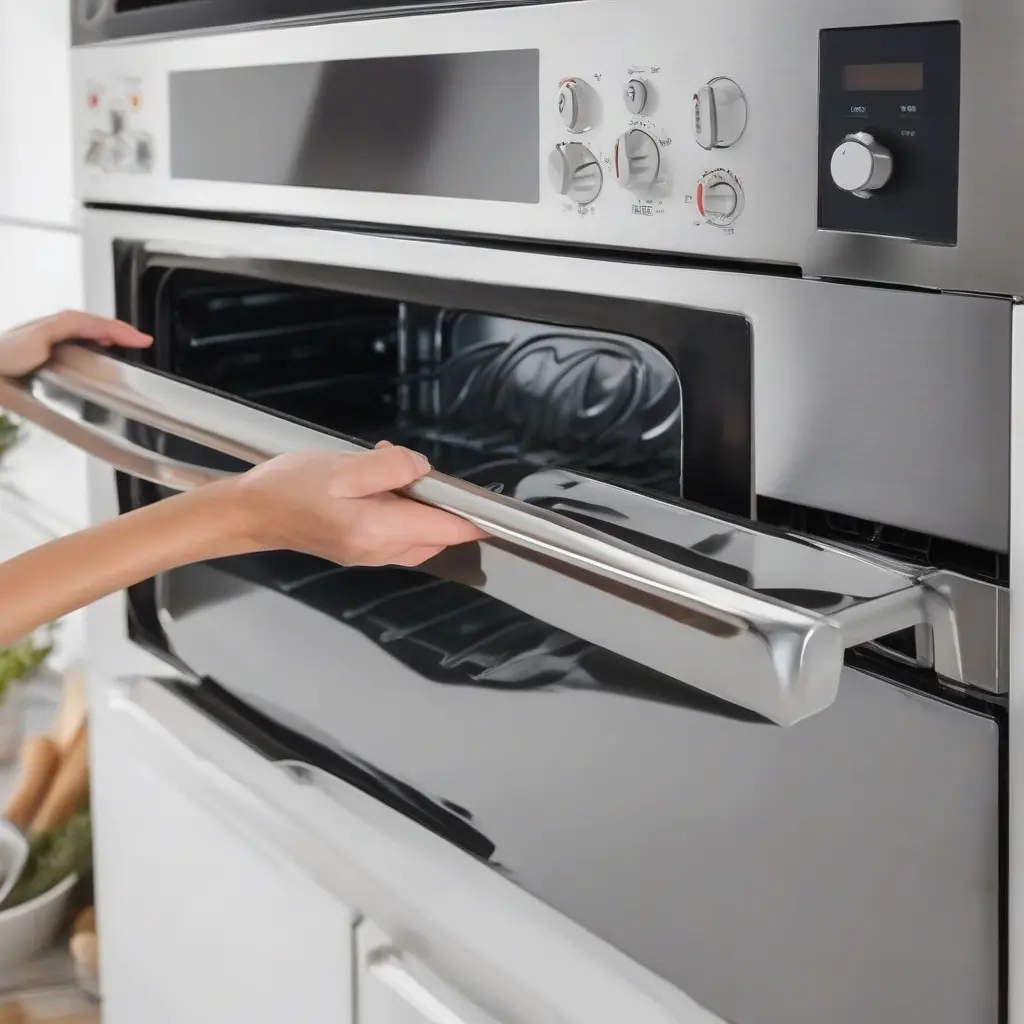
In the kitchen, maintaining cleanliness is vital, especially after illness. Start by disinfecting countertops, cutting boards, and frequently used appliances like microwaves and refrigerators. For utensils and dinnerware, use a dishwasher with a hot water cycle if available. If handwashing, use hot soapy water and rinse thoroughly. Concentrate on cleaning items that the sick person might have touched, ensuring that all food-prep areas are sanitized to prevent contamination.
Air Quality and Ventilation Considerations
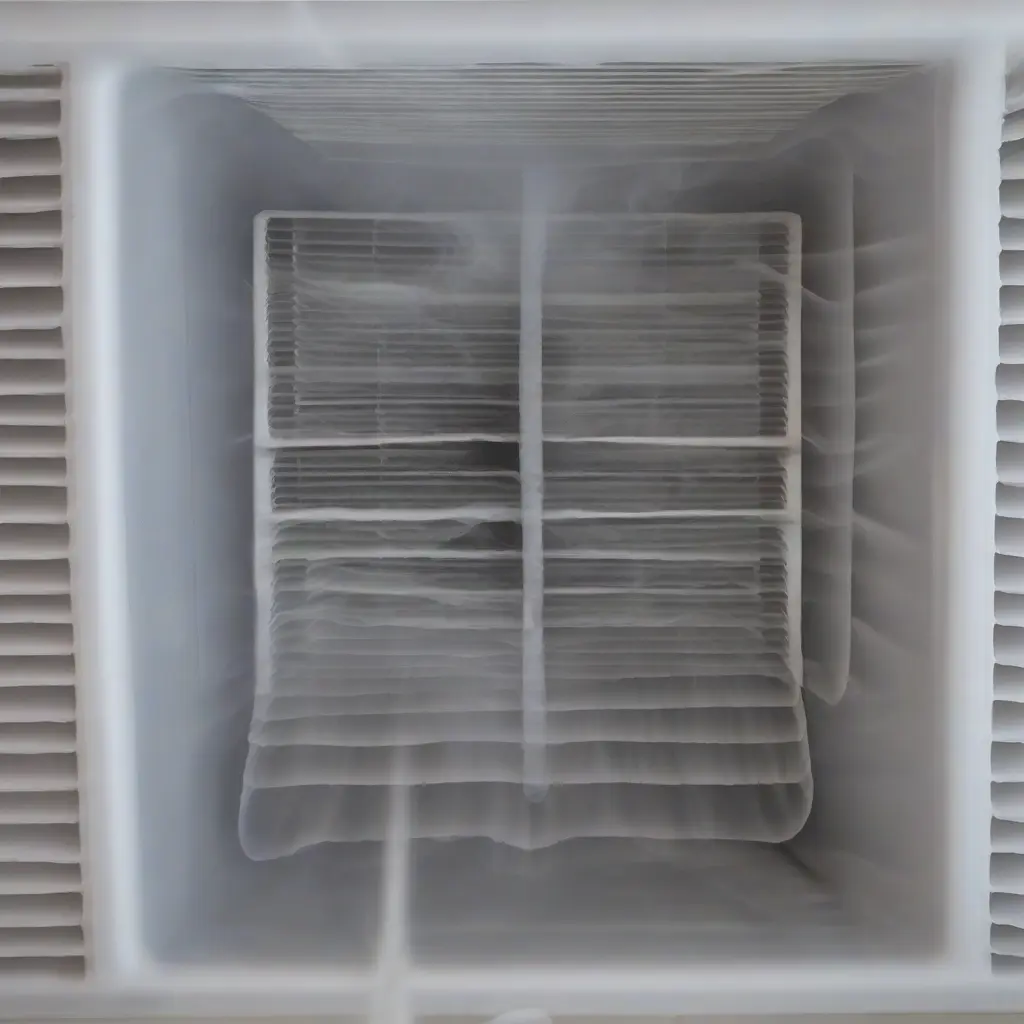
Improving air quality in your home plays a significant role in preventing illness spread. Consider using air purifiers equipped with HEPA filters to capture airborne pathogens and allergens. Regularly change your HVAC filters to maintain good airflow. Additionally, open windows to allow fresh air exchange, which can help dilute airborne viruses. A combination of these actions provides a multi-faceted approach to maintaining a safe and healthy living environment.
Post-Cleaning Maintenance Tips
After deep cleaning your home, it’s essential to establish ongoing cleaning and disinfecting routines. Develop a schedule for regular cleanings, emphasizing high-touch surfaces and frequently used areas at least once a week. Encourage good hygiene practices among household members, such as frequent handwashing. Implementing these maintenance tips will significantly reduce the likelihood of illness and help maintain a clean and safe home environment.
Conclusion
Deep cleaning and disinfecting your home after illness is essential for the well-being of all household members. By following these structured steps, you can effectively eliminate germs and create a safer living environment. Staying diligent with your cleaning routines will not only help prevent future illnesses but also foster a healthy atmosphere within your home.