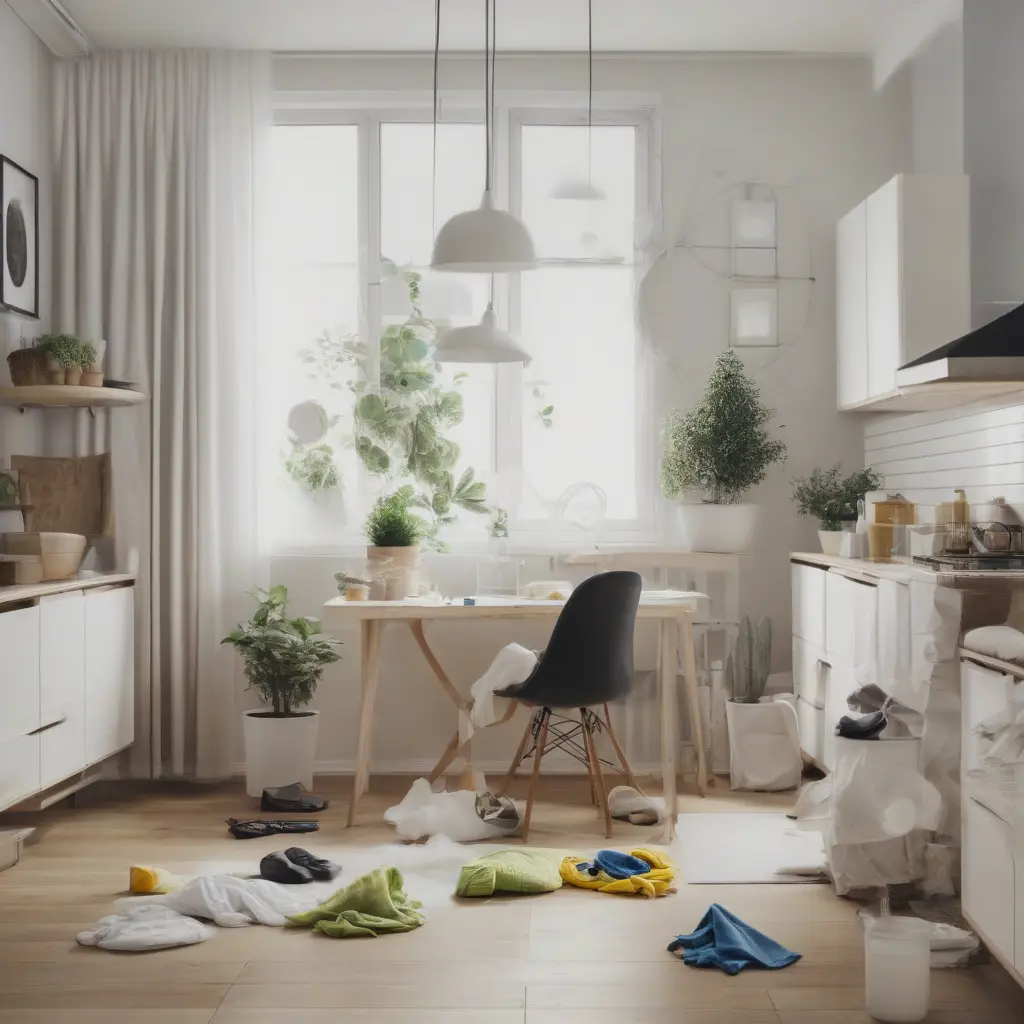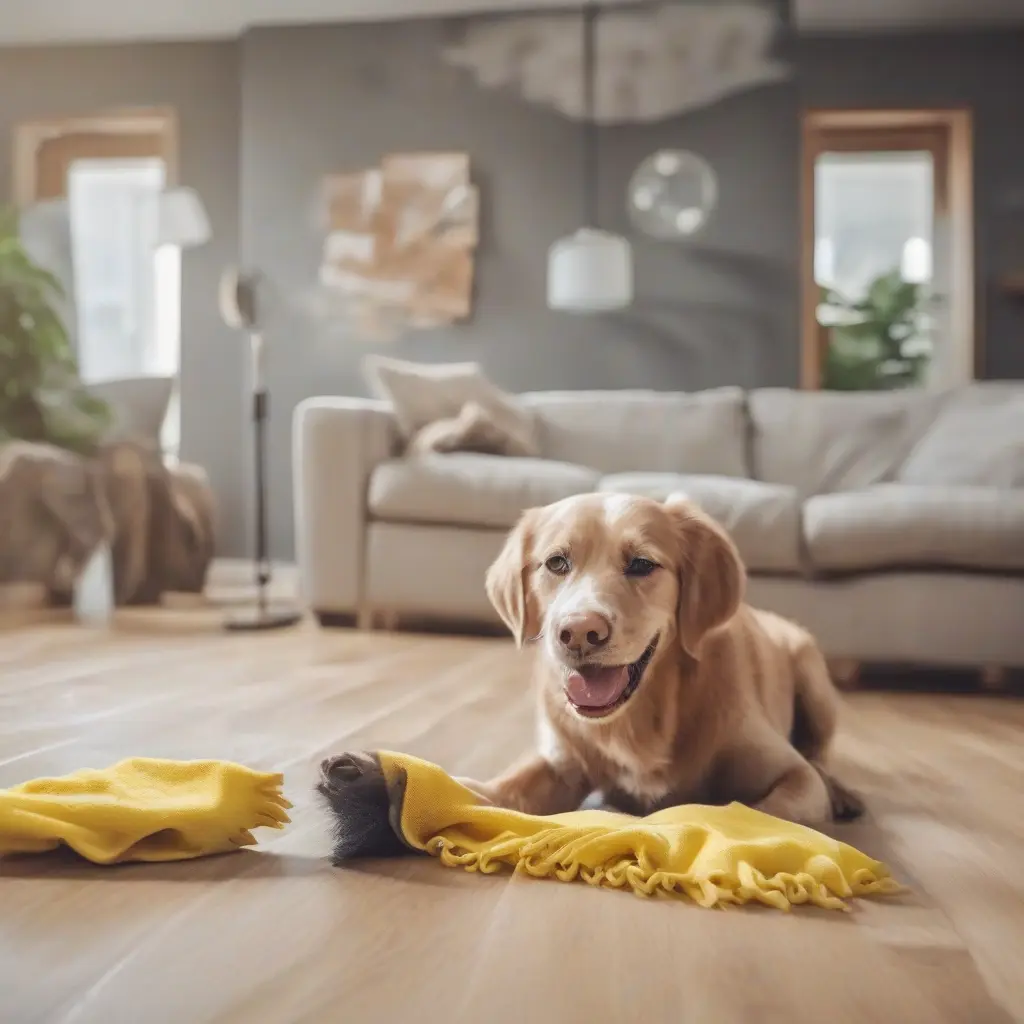
Pet ownership can be incredibly rewarding, bringing companionship and joy. However, it can also lead to damages in your home, necessitating a deep clean. Whether dealing with stubborn stains, persistent odors, or excessive pet hair, addressing these issues properly is essential for maintaining a welcoming environment. This comprehensive guide will outline the steps you need to take to effectively deep clean your home after pet damage. By following these strategies, you can ensure that your living space remains clean and pleasant for both you and your furry friends.
Evaluating the Extent of Pet Damage
Before you begin cleaning, it’s essential to evaluate the extent of the damage your pets have caused. Walk through your home systematically, noting areas that reveal signs of wear or mess. Look for stains on carpets, scratched surfaces, and areas with lingering odors. Pay attention to upholstery, as pets tend to leave hair and dander where they lounge. Identifying the most affected areas will help you prioritize your cleaning tasks, making the process more efficient and comprehensive.
Gathering the Necessary Supplies
Equipping yourself with the right cleaning supplies is a crucial step in the deep cleaning process. Look for enzyme cleaners specifically designed to tackle pet stains and odors, as they break down organic materials effectively. Don’t forget essentials such as a vacuum with a HEPA filter, microfiber cloths, rubber gloves, and perhaps a steam cleaner for carpets and upholstery. Having all your supplies ready before you start will enable you to tackle every problem area efficiently, minimizing the time spent searching for tools.
Removing Pet Hair From Surfaces
Pet hair and dander can accumulate quickly, making thorough removal essential for maintaining a clean living environment. Start by using a vacuum with a strong suction and specialized pet hair attachments to clear carpets, rugs, and upholstered furniture. Be sure to vacuum all surfaces, including under furniture and in corners where hair tends to gather. For flat surfaces, a damp cloth can also be effective in capturing hair. Regular vacuuming helps reduce allergens, benefiting both pets and owners alike.
Treating Stubborn Carpet Stains
Carpet stains from pet accidents can be particularly stubborn and require special attention. First, it’s crucial to treat the stain as soon as possible to prevent it from setting in. Use an enzyme cleaner designed specifically to break down organic stains. Apply it to the affected area and let it sit according to the product instructions. Blot the stain gently with a cloth, avoiding scrubbing, as this can damage the fibers. If necessary, repeat the treatment until the stain is completely gone.
Cleaning Hard Floors Effectively
When dealing with hard floors, the approach may vary based on the flooring type. Begin by sweeping or vacuuming to remove any hair and debris before mopping. For tile and laminate floors, use a suitable cleaner mixed with water; a damp mop can effectively remove dirt without damaging the surface. For hardwood floors, a specially formulated wood cleaner should be used. Following the manufacturer’s instructions will help maintain the integrity of your flooring while ensuring a thorough clean.
Eliminating Odors From Your Home
Odors can linger long after physical messes have been cleaned, so it’s essential to tackle them directly. Baking soda is a great natural deodorizer; sprinkle it on carpets and upholstery, leave it for several hours, and then vacuum it up. Another effective solution is a vinegar-water mixture, which can neutralize many odors when lightly sprayed in the air or on surfaces. Regular airing out of your home is also beneficial, as fresh air circulation helps remove unwelcome smells.
Cleaning Upholstery and Fabrics
Upholstered furniture can take a beating from pets, accumulating hair, stains, and odors. Begin by vacuuming all upholstery surfaces, paying particular attention to crevices and cushions. For stains, apply a fabric-safe cleaner according to the label’s instructions, using a cloth to blot the area. To ensure a deeper clean, consider using a steam cleaner specifically designed for upholstery. This technique helps remove both dirt and odors, revitalizing your furniture and extending its lifespan.
Implementing a Regular Cleaning Routine
Once you’ve deep cleaned your home post-pet damage, maintaining a regular cleaning routine is essential to prevent future issues. Schedule weekly vacuuming sessions to manage pet hair and dander consistently. Regularly grooming your pets will also significantly minimize shedding indoors. Consider using washable slips on your furniture to protect from future stains, and establish designated areas in your home for your pets to relax. This proactive approach will keep your environment cleaner and more manageable.
Considering Professional Cleaning Services
For particularly challenging situations, hiring professional cleaning services may be a practical option. Many cleaning companies specialize in pet-related messes and have advanced machinery and products designed to clean carpets and upholstery thoroughly. A professional deep clean can often restore your home more effectively than DIY methods alone. While it may incur an upfront cost, the long-term benefits of a cleaner home can outweigh initial expenses, allowing you to better enjoy life with your pets.
Conclusion
Deep cleaning a home after pet damage is a comprehensive task that requires a structured approach. By evaluating the damage, gathering the right supplies, and utilizing effective cleaning techniques, you can restore your home’s freshness. Consistent routine cleaning and occasional professional help can make maintaining a pet-friendly environment much easier. With the right strategies in place, both you and your furry friends can enjoy a clean and inviting home.