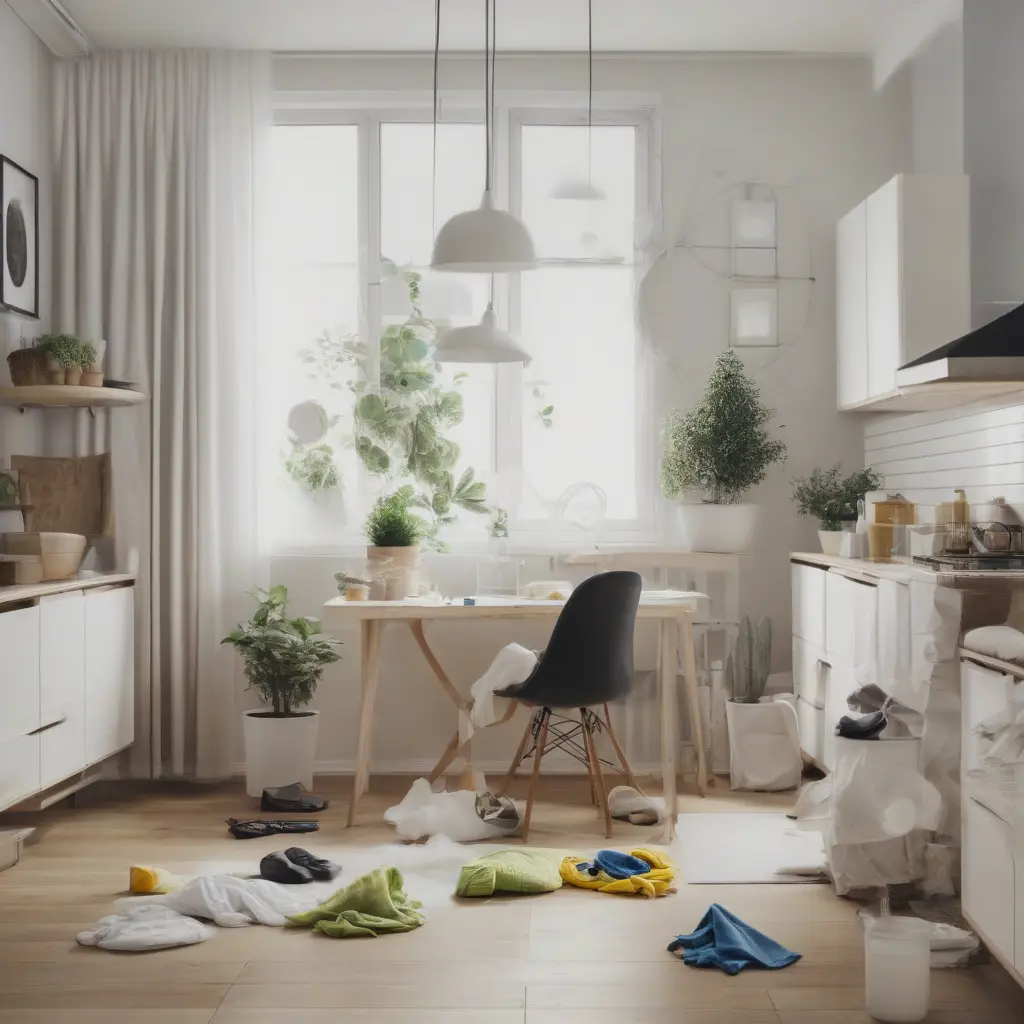
Maintaining a clean and organized home can be especially challenging for families with babies and toddlers. Children are naturally curious and energetic, which often leads to messes and spills that require regular attention. A daily cleaning routine can significantly ease the burden of household chores while ensuring a safe environment for young children. This article provides practical tips and strategies to streamline your cleaning efforts, helping you create a tidy and healthy space for your little ones to thrive.
Establish a Flexible Cleaning Schedule
Creating a flexible cleaning schedule is essential for busy parents. Rather than adhering to a rigid timetable, consider integrating cleaning tasks into your daily routine. For instance, while waiting for a meal to cook, you can quickly clean up toys or wipe down surfaces. This approach allows you to stay on top of household chores without feeling overwhelmed, ensuring that your cleaning tasks fit within your family’s activities and rhythm.
Involve Your Little Ones
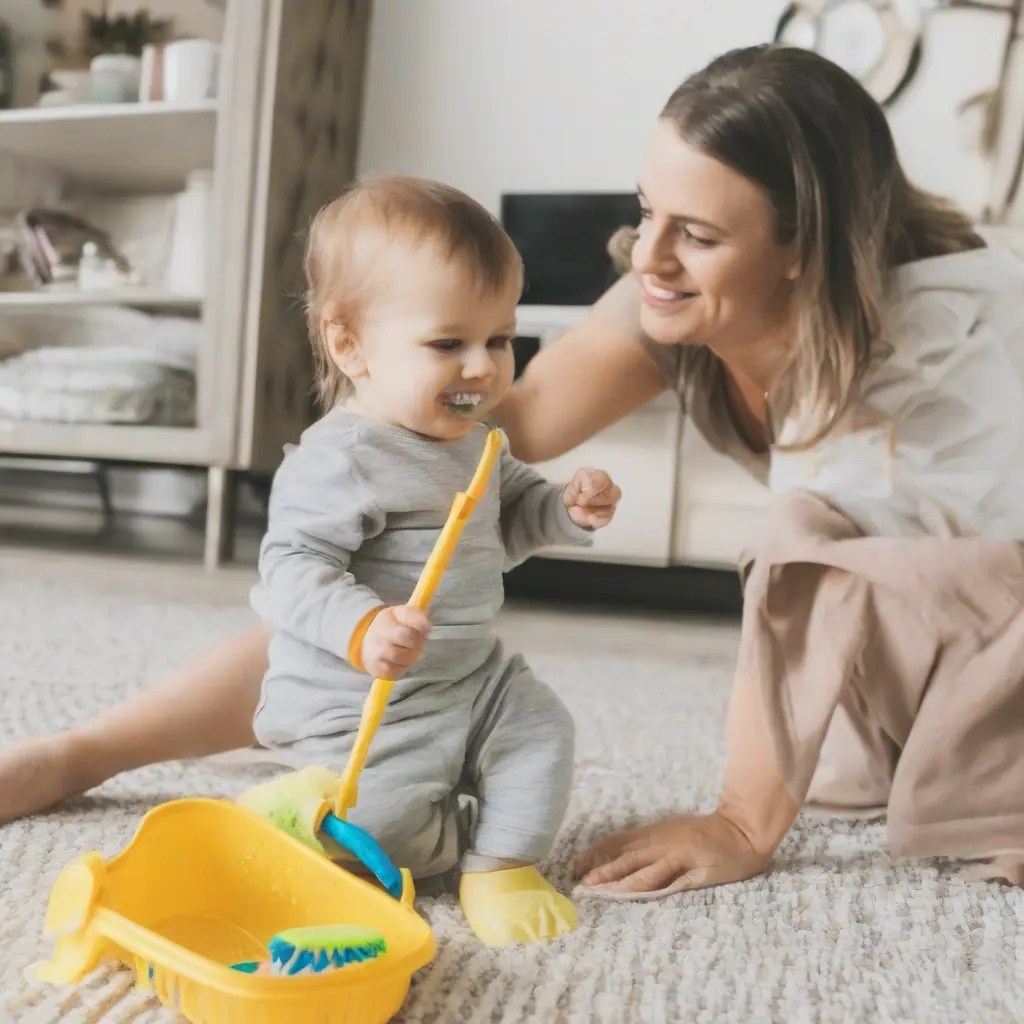
Involving your toddlers in the cleaning process can make chores more manageable and teach them valuable skills. Assign age-appropriate tasks, such as putting away their toys or sorting laundry. This not only lightens your workload but also instills a sense of responsibility in your children. Make it fun by turning cleaning into a game, using playful language to motivate them, and praising their efforts. Engaging your little ones fosters teamwork and helps them understand the importance of keeping their surroundings clean.
Prioritize High-Traffic Areas
When creating your cleaning routine, focus on high-traffic areas that are most likely to accumulate dirt and clutter. Locations like the living room, kitchen, and playroom require more frequent attention due to increased activity. Dedicating extra time to these spaces ensures that they remain sanitary and organized, reducing the chances of spreading germs. Regular cleaning of common areas also creates a more inviting environment where your family can comfortably spend time together.
Implement a Daily Quick Clean
Incorporating a daily quick clean can effectively maintain household order. Set aside 10 to 15 minutes at the end of each day for this purpose. During this time, tackle quick tasks such as collecting scattered toys, wiping tables, and vacuuming high-traffic areas. This brief cleaning session can dramatically reduce clutter and prevent larger cleaning sessions from becoming necessary. Over time, these quick daily habits will contribute to a consistently tidy home, requiring less effort overall.
Utilize Multi-Purpose Cleaning Products
Choosing multi-purpose cleaning products can simplify your daily routine. These versatile solutions can effectively tackle various surfaces, from countertops and bathrooms to toys and high chairs. By stockpiling a few trusted products, you can streamline your cleaning process and reduce the number of items needed for daily cleaning. Ensure you select baby-safe and eco-friendly options to keep your young children protected from harsh chemicals while maintaining cleanliness.
Create a Designated Play Area
Establishing a designated play area can help contain messes and keep your home organized. By providing a specific spot for toys and activities, you can make cleanup easier and more efficient. Use baskets or bins to store toys, and encourage your children to return items to their designated places after use. This approach helps to maintain a clutter-free living space and teaches your little ones the importance of organization from an early age.
Adopt a ‘One In, One Out’ Policy
Adopting a ‘one in, one out’ policy for toys and belongings can help prevent clutter from accumulating. When a new toy enters your home, encourage your child to choose an old one to donate or discard. This practice not only keeps your space tidy but also teaches valuable lessons about sharing and decluttering. Regularly assessing your child’s collection ensures that their living space remains manageable and that their interests are accurately reflected in the toys they play with.
Make Use of Storage Solutions
Effective storage solutions are vital in maintaining organization in a home with young children. Clearly labeled storage containers, such as bins, drawers, and shelves, can make it easier for everyone to find and put away items. Consider using clear bins to allow visibility of contents, motivating kids to help with cleanup. Additionally, utilize vertical space by incorporating wall-mounted shelves to maximize storage opportunities without taking up precious floor space.
Set the Example for Cleanliness
Children often mimic the behavior of their parents, making it important to set a good example of cleanliness. By demonstrating consistent cleaning habits, you encourage your little ones to follow suit. Make cleaning a family affair by sharing your tasks and showing how satisfying a clean space feels. Additionally, discuss the benefits of cleanliness as a part of your daily talks. Your attitude towards chores will have a lasting impact on their perception of tidiness and organization.
Don’t Forget Deep Cleaning Tasks
While daily tasks are essential, don’t overlook scheduled deep cleaning activities as part of your overall routine. Designate a time each month to deep clean specific areas, focusing on spots that may not receive daily attention, like blinds, baseboards, and behind appliances. This ensures that dirt, allergens, and germs do not build up over time, thereby creating a healthier living environment for your family. Such practices can also make your daily cleanings more effective.
Conclusion
Establishing a daily cleaning routine in homes with babies and toddlers is crucial for creating a safe, organized, and nurturing environment. Utilizing flexible schedules, engaging children, and adopting practical cleaning habits can greatly simplify the process. Maintaining cleanliness not only benefits your family’s health but also instills essential life skills in your children. By following these tips, you can foster a harmonious household where your little ones can play and grow freely.