Maintaining a clean and safe play area for children is crucial for their health and well-being. A deep cleaning routine not only removes dirt and germs but also promotes a more enjoyable play environment. This guide provides parents with comprehensive steps to effectively deep clean various play areas, ensuring they are hygienic and safe for children. From toys to large play structures, each aspect of the play area deserves attention. With consistent cleaning efforts, parents can establish a healthier play environment that minimizes the risk of illness and enhances the overall experience for their little ones.
Understanding the Importance of a Clean Play Area
A clean play area is essential for ensuring children’s health and safety. Children are often more susceptible to germs and bacteria, making thorough cleaning vital to prevent the spread of illnesses. Toys and surfaces that are frequently handled can harbor harmful microbes, which can lead to issues such as infections. Regular cleaning helps to remove allergens, dirt, and bacteria, creating a safer space for children to explore and play. Additionally, a tidy play area fosters better focus and creativity, as a clean environment has been shown to enhance children’s overall play experience.
Gathering Essential Cleaning Supplies
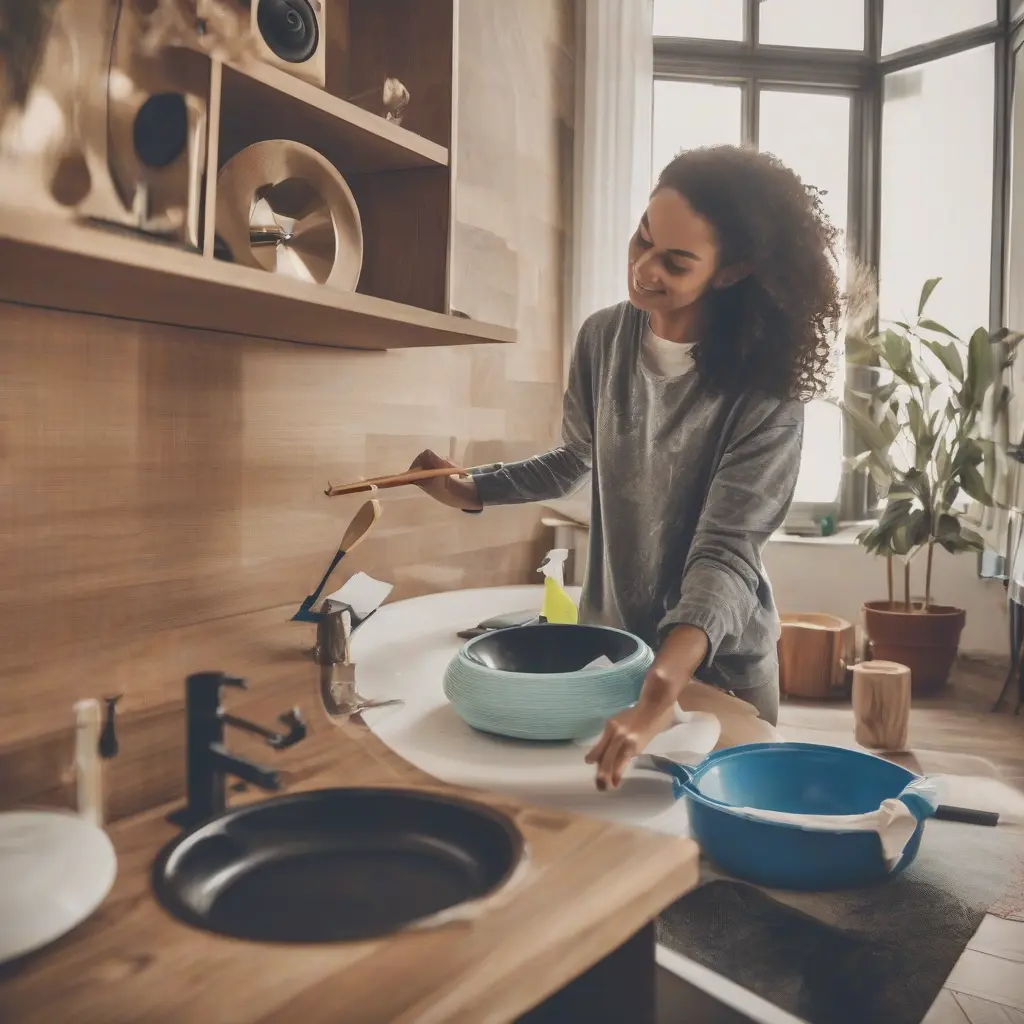
Before starting the deep cleaning process, gathering the right cleaning supplies is crucial. Basic supplies should include a vacuum cleaner, mop, bucket, sponges, microfiber cloths, and disinfectant. For toy cleaning, mild soap and hot water work effectively, while vinegar can act as a natural disinfectant for surfaces. It’s also beneficial to have a scrub brush on hand for tougher stains or grime. Choosing non-toxic and child-safe cleaning products is important to ensure that the play area is not only clean but also safe for children once the cleaning is complete.
Cleaning Toys Effectively
Toys can accumulate dirt, germs, and allergens over time, necessitating thorough cleaning. Start by sorting through toys and noting which ones are machine washable or require hand cleaning. For soft toys, use the washing machine and tumble dry on low heat. For plastic or electronic toys, wipes or a diluted solution of dish soap and water can be used. Rinse with clean water and allow them to dry completely before returning them to the play area. Regular cleaning of toys not only keeps them hygienic but also promotes longevity and a pleasant play experience for your children.
Deep Cleaning Play Mats and Carpets
For play mats and carpets, a thorough cleaning process is essential for removing dirt and allergens. Start by vacuuming the area to pick up loose debris and hair. After vacuuming, spot clean any stains using a carpet cleaner suitable for the fabric. It is recommended to thoroughly steam clean play mats to sanitize them without harsh chemicals. For carpets, using a professional steam cleaner periodically can greatly enhance cleanliness. Ensure these surfaces dry completely to prevent mold and mildew while providing a safe and pleasant environment for children to play.
Sanitizing Play Equipment
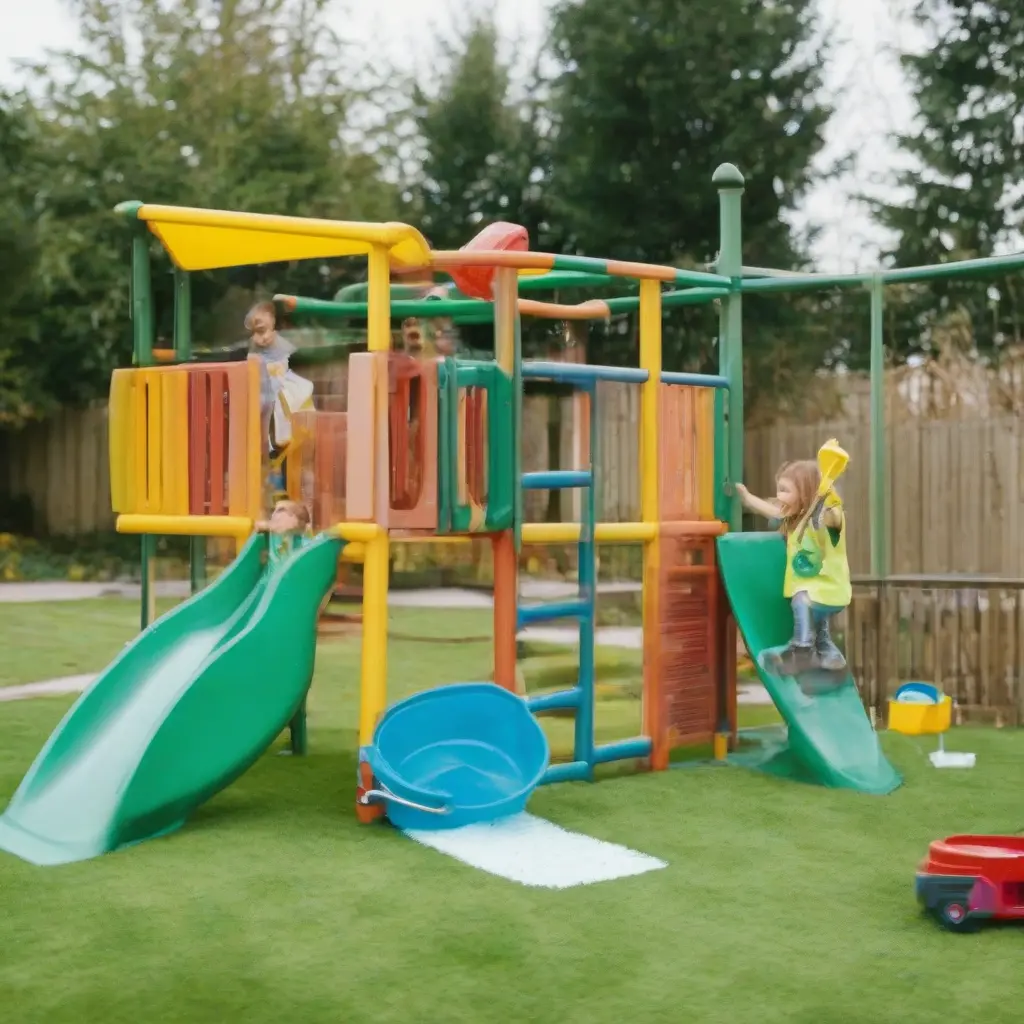
Play equipment, whether indoors or outdoors, serves as a hub for children’s activities and must be sanitized regularly. For outdoor equipment, spray a mixture of water and vinegar to clean surfaces like slides and swings. Use a brush to scrub off any dirt and grime, then rinse with a hose. Indoor play structures should be disinfected with child-safe cleaners. Focus on frequently touched surfaces to eliminate any lingering bacteria. This routine not only ensures the equipment is visually clean but also provides a safer environment for children to engage in physical activities.
Addressing Allergens and Dust Accumulation
Dust and allergens in a play area can lead to respiratory issues for sensitive children, making it important to address these factors during cleaning. Regularly dust shelving and surfaces using a damp cloth to effectively capture particles instead of spreading them. Vacuuming should include upholstered furniture and any fabric elements in the play area. Utilizing an air purifier can also help reduce airborne allergens. Moreover, regularly changing air filters in your home can contribute significantly to maintaining a healthier play environment, ensuring children breathe easier while they play and explore.
Developing a Cleaning Schedule
Creating a cleaning schedule can streamline the deep cleaning process and ensure that tasks are not overlooked. Daily tasks may include tidying up toys and wiping down surfaces, while weekly cleaning can involve vacuuming and deep cleaning carpets or mats. Setting monthly deeper cleaning sessions to address all play areas—such as disinfecting play equipment and washing soft toys—helps keep everything in order. By maintaining a consistent cleaning schedule, parents can foster a hygienic environment while inculcating habits of cleanliness in their children, encouraging them to take part in the cleaning process.
Involving Children in Cleaning
Involving children in the cleaning process can make it a fun and educational experience. Assigning age-appropriate tasks, such as picking up toys or helping with dusting, can teach kids the importance of hygiene and responsibility. Incorporate playful elements, such as a cleaning song or a game, to keep them engaged. This approach not only helps in maintaining cleanliness but also empowers children to take pride in their space. It instills values of responsibility and teamwork, making cleaning a shared family activity rather than a chore, thus fostering a collaborative spirit among family members.
Setting Up a Regular Maintenance Routine
Once deep cleaning is complete, establishing a regular maintenance routine is key to sustaining cleanliness in the play area. Short daily tasks, like organizing toys, can prevent mess from accumulating and becoming overwhelming. Weekly deeper cleaning sessions can be scheduled to address surfaces and toys more thoroughly. Additionally, incorporating a monthly review of the play area will allow you to identify and tackle any emerging issues like stains or dust. By prioritizing regular maintenance, parents can ensure the play area remains inviting and safe for children, creating a space that supports both play and learning.
Conclusion
Deep cleaning children’s play areas is an essential aspect of maintaining a safe and healthy environment for young ones. By understanding the importance of cleanliness and implementing effective cleaning practices, parents can provide a nurturing place for their children to play. Combining the right supplies, involving children in the process, and maintaining regular cleaning schedules can lead to significant improvements in hygiene. Ultimately, a clean play area not only protects children from illness but also enhances their play experience, allowing them to learn and grow in a healthy setting.