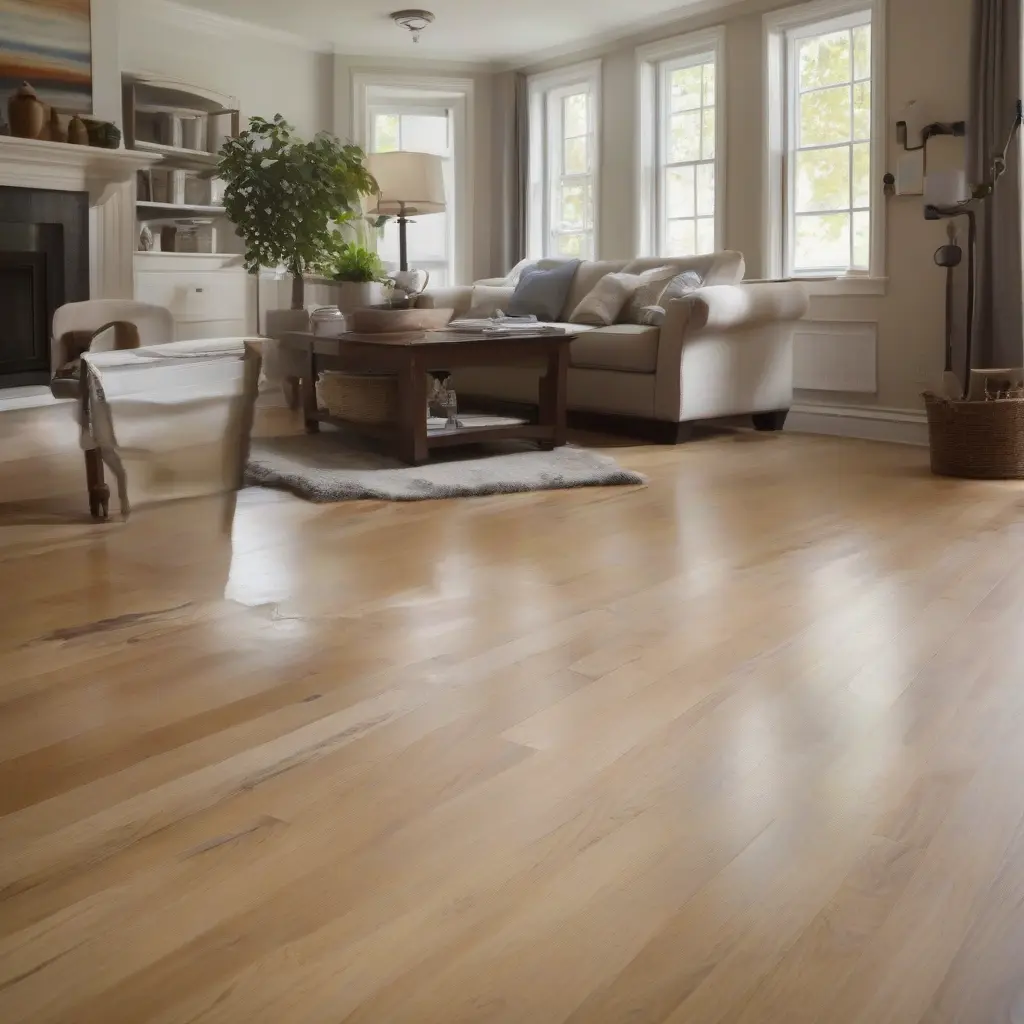
Deep cleaning hardwood floors is essential for maintaining their beauty and longevity. However, improper methods can lead to damage, dullness, or a buildup of residues. This guide will provide you with detailed steps and helpful tips to ensure your hardwood floors are cleaned thoroughly yet safely. From choosing the right cleaning solutions to the best techniques for application, this guide aims to equip you with everything you need for successful upkeep of your hardwood flooring.
Understanding Your Hardwood Flooring
Before diving into the cleaning process, it’s crucial to understand the type of hardwood flooring you have. Solid wood and engineered wood floors have different characteristics and require unique care. Solid wood is more susceptible to moisture, while engineered wood is designed to withstand temperature fluctuations. By identifying your floor type, you can select appropriate cleaning methods and products that will preserve the integrity of the material without causing harm.
Choosing the Right Cleaning Supplies
When deep cleaning hardwood floors, selecting the right cleaning supplies is fundamental. Look for pH-balanced cleaners specifically designed for hardwood floors, as harsh chemicals can strip the finish and damage the wood. Microfiber mops and soft cloths are also highly recommended because they trap dirt without scratching the surface. Avoid using excess water or steam mops, as these can lead to warping and swelling, especially in solid wood floors.
Preparing to Clean Your Floors
Preparation is key to effective deep cleaning. Begin by removing all furniture and rugs from the area to ensure unobstructed access to the floor. Next, sweep or vacuum the surface to eliminate loose dirt and debris. It’s also wise to check for any scratches or crevices that may need special attention. Preparing your space not only makes the cleaning process easier but also helps you achieve more thorough results without risking damage to your belongings.
How to Spot Clean Stains
Spot cleaning minor stains or spills is crucial before the deep cleaning process. For sticky residues or spills, gently blot the area with a soft cloth soaked in a mild hardwood floor cleaner. Avoid scrubbing, as this can damage the wood finish. For tougher stains, consider using a mixture of vinegar and water, but ensure it’s diluted properly. Always test any cleaning solution on a hidden area first to check for possible damage before applying it to the stained area.
The Deep Cleaning Process
Once your floors are prepared and any spots have been addressed, it’s time to deep clean. Start by dampening a microfiber mop with an appropriate hardwood cleaner, ensuring it is not soaking wet. Mop the floor in sections, following the wood grain to prevent scratches. Pay special attention to corners and edges where dirt commonly accumulates. Rinse and wring out the mop regularly to avoid spreading grime. This method ensures the floor receives a thorough clean without the risk of damage.
Dealing with Deep Grime and Build-up
In cases of deep grime or build-up, a specialized hardwood floor cleaner may be necessary. Use a product formulated to cut through wax or oil residues without damaging the wood’s finish. Apply the cleaner according to the manufacturer’s instructions, often allowing it to sit for a few minutes before scrubbing with a soft-bristle brush. Always follow up by mopping with a damp cloth to remove any residual cleaner, thereby avoiding any long-term harm to the flooring.
Drying and Finishing Touches
After deep cleaning your hardwood floors, it’s essential to dry the surface thoroughly. Use a clean, dry microfiber cloth or mop to remove excess moisture. Allow the floor to air dry completely before replacing furniture, as this helps prevent scratches or indentations. Once dry, consider applying a wood polish or conditioner designed for your floor type. This step not only enhances the shine but also provides a protective layer against future wear and tear.
Regular Maintenance Tips
Incorporating regular maintenance into your cleaning routine will keep hardwood floors looking their best. Sweep or vacuum regularly to prevent dirt accumulation and invest in area rugs for high-traffic zones. Additionally, consider professional cleaning once every few years to address deeper issues without damaging your floor’s finish. Regular upkeep will prolong the life of your hardwood and maintain its aesthetic appeal, ultimately saving you time and effort in the long run.
Conclusion
Deep cleaning hardwood floors doesn’t have to be daunting. By understanding your flooring type, using appropriate cleaning supplies, and following the right techniques, you can restore the beauty of your floors without causing damage. Regular maintenance and the right products will not only keep your hardwood looking great but will also extend its lifespan, providing you with a stunning surface to enjoy for years.