Seasonal allergies can significantly impact comfort and well-being, making a clean home essential. Deep cleaning not only improves the aesthetic of your living spaces but also helps to eliminate allergens such as dust, mold, and pet dander. This comprehensive checklist will guide you through effective strategies to deep clean your home and reduce allergy symptoms, allowing your family to breathe easier and enjoy a healthier environment.
Understand Common Allergens
Seasonal allergies are primarily triggered by outdoor pollutants like pollen, as well as indoor allergens such as dust mites, mold, and pet dander. Understanding these common irritants is essential for effective deep cleaning. Pollen levels can vary, so recognizing peak seasons for flowering plants can help you schedule your cleaning efforts. Indoors, paying attention to hidden allergens is crucial; dust accumulates behind furniture and in carpets, making it vital to address these areas during your deep clean.
Create a Cleaning Schedule
Establishing a deep cleaning schedule can make the task more manageable and effective. Break the cleaning process into smaller, focused sessions targeting different rooms or areas. For instance, you might dedicate one day to the living room and bedrooms and another to bathrooms and kitchen spaces. This structure not only reduces overwhelm but also ensures that you don’t miss any crucial steps in the deep cleaning process, resulting in a more thorough approach to allergy relief.
Declutter Your Home
Before you start the deep cleaning process, decluttering is essential. Reducing the number of items in your home minimizes dust collection and creates a more streamlined cleaning experience. Go through each room and identify items that are no longer needed, such as old magazines, clothing, and decorative pieces. By removing clutter, you not only improve air quality but also make it easier to access the surfaces that require deep cleaning.
Focus on High-Touch Areas
High-touch areas such as doorknobs, light switches, and remote controls should be prioritized during deep cleaning. These surfaces are often neglected and accumulate dust and germs, exacerbating allergy symptoms. Use a microfiber cloth and a suitable cleaning solution to disinfect these areas regularly. This simple practice prevents allergens from spreading throughout your home and can significantly reduce the likelihood of respiratory issues related to seasonal allergies.
Clean Your HVAC System
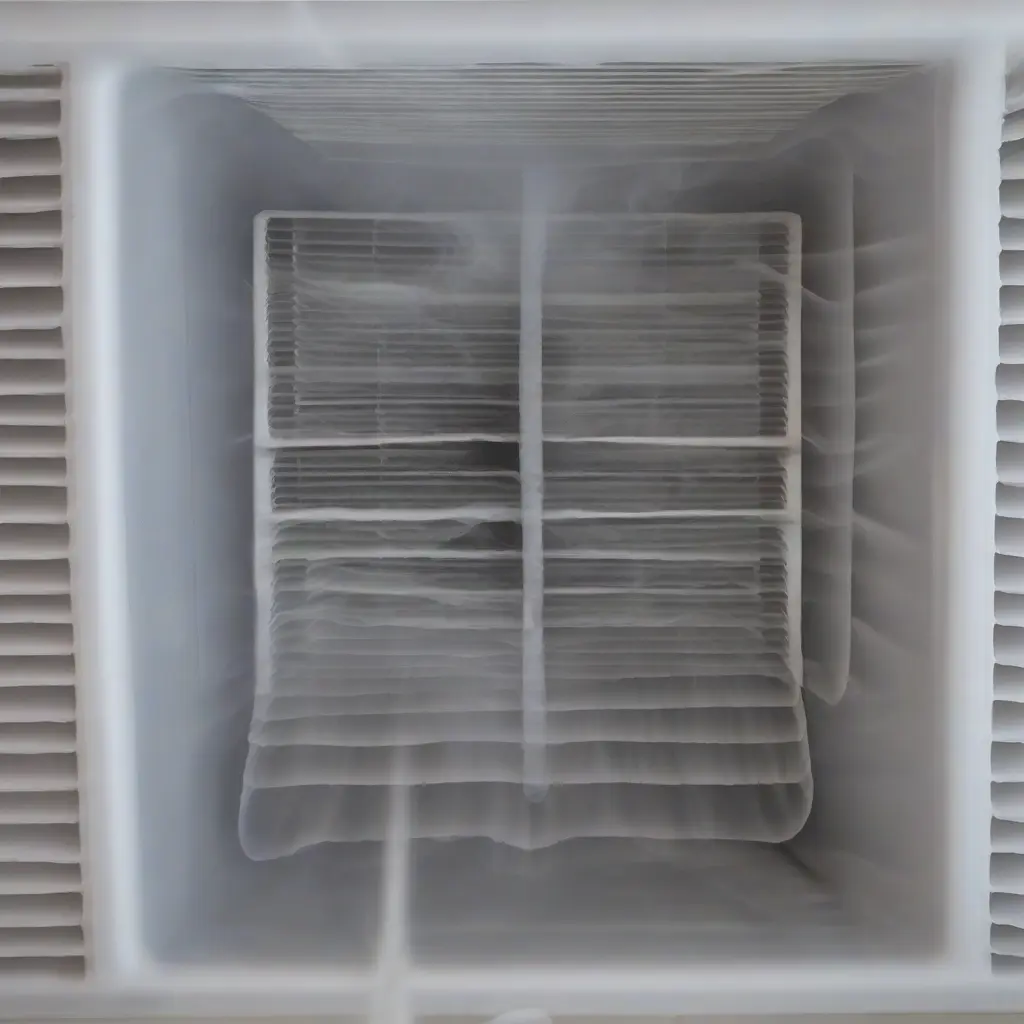
Your heating, ventilation, and air conditioning (HVAC) system plays a crucial role in maintaining air quality. Dust and allergens can build up in the ducts, spreading throughout your home when the system is in use. Schedule regular maintenance for your HVAC system, including changing filters every one to three months. This not only improves efficiency but also minimizes allergen circulation, reducing the risk of allergy flare-ups.
Deep Clean Carpets and Rugs
Carpets and rugs can trap dust, allergens, and odors, making them essential targets during deep cleaning. Use a vacuum equipped with a HEPA filter to effectively remove allergens from the fibers. For a more thorough clean, consider steam cleaning or using specialized carpet cleaning products. Regular deep cleaning of carpets helps maintain indoor air quality and reduces allergy symptoms, making your home a sanctuary against seasonal allergens.
Wash Bedding and Curtains
Bedding and curtains can harbor dust mites and other allergens, necessitating regular washing. Use hot water to launder bedding at least once a week and opt for hypoallergenic detergents to minimize irritants. Curtains should be vacuumed regularly or washed according to care instructions to eliminate accumulated dust. This practice not only enhances your room’s cleanliness but also promotes a healthier sleeping environment, crucial for managing allergy symptoms.
Address Mold Growth
Mold thrives in damp areas, making kitchens and bathrooms prime targets for growth. Regularly check for signs of mold and promptly address any leaks or humidity issues that may promote its growth. Use mold-killing solutions and ensure proper ventilation to keep these areas dry. By taking proactive steps to prevent mold growth, you create a healthier environment and significantly reduce allergy triggers, thereby improving overall well-being.
Implement Regular Maintenance
Maintaining a clean home goes beyond seasonal deep cleaning; implementing a regular maintenance routine is key. Establish daily, weekly, and monthly cleaning tasks to keep allergens at bay. Daily tasks may include tidying up, wiping surfaces, and vacuuming high-traffic areas, while weekly chores could involve mopping and washing fabric items. A consistent cleaning plan aids in limiting dust and allergens, making it easier to manage seasonal allergies effectively.
Utilize Natural Cleaning Products
Using natural cleaning products can benefit both your health and the environment. Commercial cleaners may contain harsh chemicals that exacerbate allergy symptoms, so opt for eco-friendly alternatives instead. Ingredients like vinegar, baking soda, and essential oils can help effectively clean and deodorize your home without the negative impacts of synthetic chemicals. This not only creates a healthier living space but also contributes to a more sustainable environment.
Educate Household Members
Educating everyone in your household about the impact of allergies and the importance of cleanliness is crucial. Make sure family members understand their roles in maintaining a clean space, from regular tidying to properly disposing of trash. Encouraging good habits, like removing shoes before entering the house and using hypoallergenic products, ensures that the efforts put into deep cleaning are sustained year-round, leading to a healthier living environment.
Conclusion
Incorporating a thorough deep cleaning checklist can significantly alleviate the impact of seasonal allergies in your home. By understanding allergens, creating a cleaning schedule, and implementing focused tasks, you can foster a healthier living space. Regular maintenance and responsible habits further enhance your efforts, creating an environment conducive to well-being and comfort throughout the year.