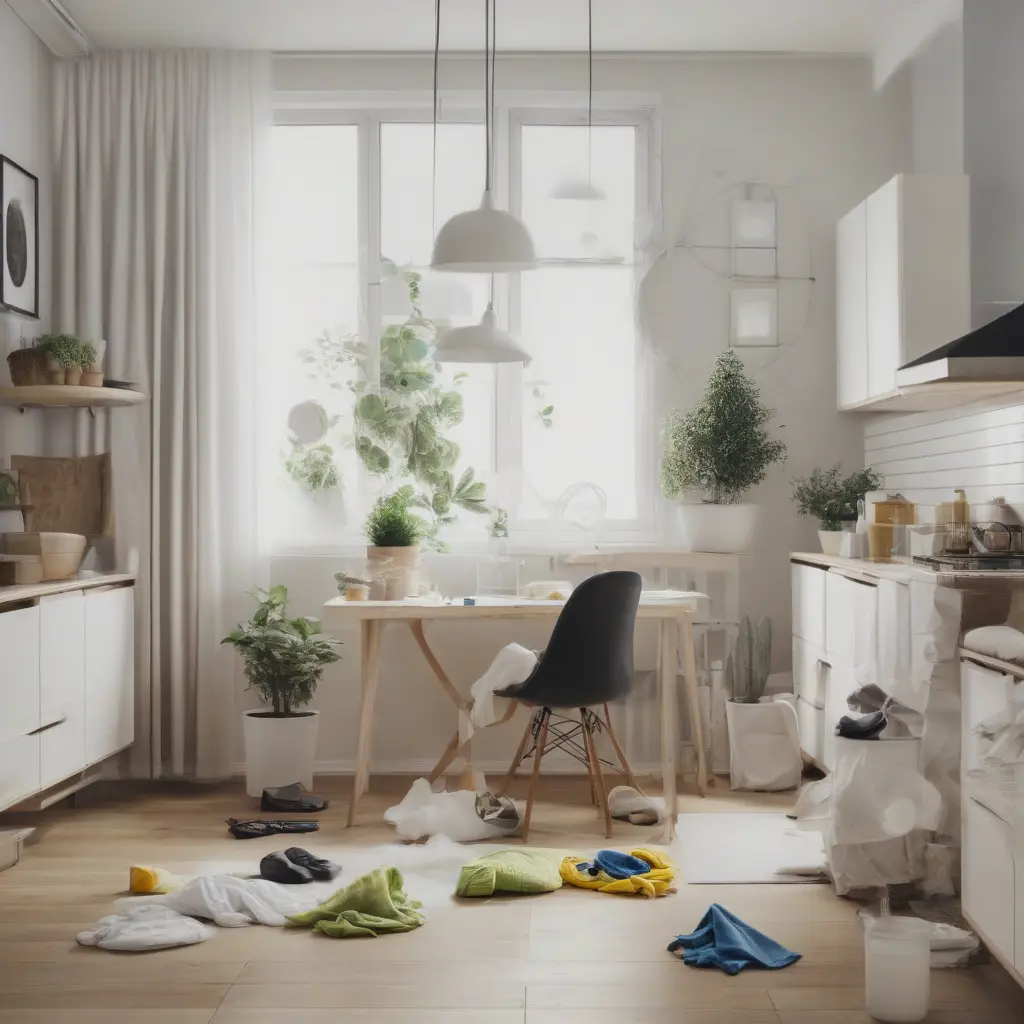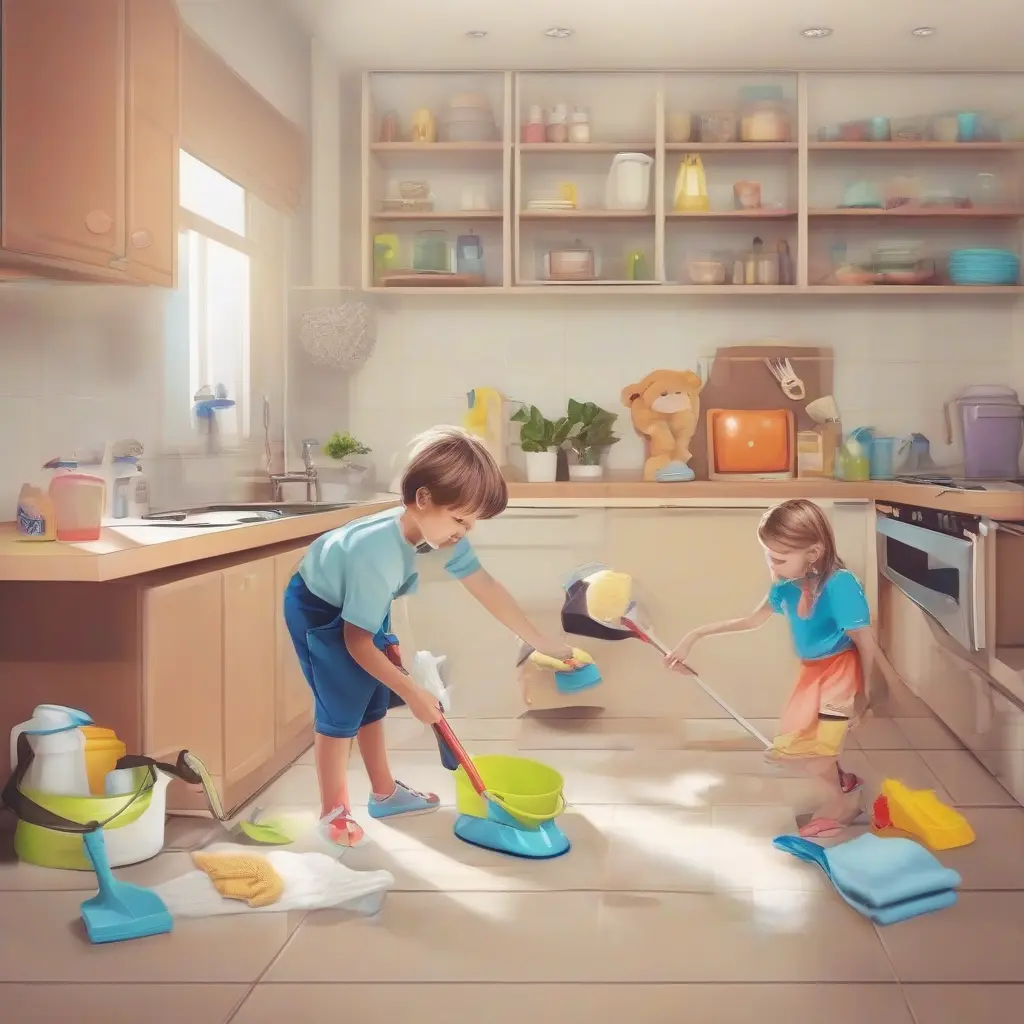
Encouraging responsibility in children is crucial for their development, and one effective way to achieve this is by having them participate in daily cleaning tasks. Delegating age-appropriate chores not only helps maintain a clean environment but also teaches kids valuable life skills. From simple tasks like picking up toys to more involved duties like vacuuming, each chore offers a lesson in responsibility. Implementing a cleaning routine fosters independence, instills a sense of accomplishment, and promotes teamwork within the household.
Benefits of Delegating Cleaning Tasks to Kids
Delegating cleaning tasks to children offers numerous advantages, including the development of critical life skills. Kids learn to manage their time and understand the importance of contributing to family responsibilities. Moreover, these tasks provide opportunities for them to take pride in maintaining their living space. As they complete chores, children gain confidence in their abilities, reinforcing a positive sense of self-worth. The teamwork fostered by participating in household duties enhances family bonding, creating a harmonious living environment.
Age-Appropriate Chores for Toddlers
Toddlers can be introduced to simple, age-appropriate chores that are easy for them to comprehend and execute. Tasks such as putting away toys, wiping spills with a damp cloth, or sorting socks can be engaging and educational. These chores not only keep the house tidy but also help toddlers develop fine motor skills and an understanding of organization. Furthermore, by participating in these tasks, young children begin to grasp the concept of contributing to the household, laying a foundation for responsibility.
Cleaning Tasks for Preschoolers
As children move into their preschool years, they can handle slightly more complex chores. They can dust surfaces using a duster or microfiber cloth, help with setting the table, or assist in sorting laundry by colors. Involving preschoolers in chores also enhances their cognitive skills and promotes discussions about colors and shapes. These tasks are not just beneficial for cleanliness; they also help foster creativity and encourage children to take pride in their efforts as they contribute to family activities.
Chores Suitable for Young School-Aged Children
Young school-aged children, typically ages 6 to 8, can take on chores that require more responsibility and independence. They can handle tasks such as making their bed, feeding pets, or tidying up after themselves in shared spaces. Encouraging kids to participate in these chores builds their confidence and work ethic. Completing such responsibilities can help them develop organizational skills and the understanding that teamwork is essential for a well-functioning household. Establishing a routine for these chores also reinforces the idea that contributing to the family is a shared duty.
Responsibilities for Pre-Teens
Pre-teens, generally aged 9 to 12, are ready for more significant and varied cleaning responsibilities. They can effectively manage chores such as vacuuming, cleaning bathrooms, and taking out the trash. Assigning these tasks not only keeps the house looking presentable but also equips them with skills they’ll use in adulthood. Additionally, having pre-teens manage their chores independently teaches accountability. They learn to prioritize tasks effectively, understand time management, and develop a sense of ownership regarding their living environment.
Incorporating Chores into Family Routines
Integrating chores into family routines can make cleaning feel less like a burden and more like an expected aspect of daily life. Establishing a cleaning schedule helps clarify when tasks should be completed and can involve a weekly family meeting to discuss assignments. For instance, you can create a chore chart that lists each family member’s responsibilities. By involving everyone in schedule planning, you foster a sense of ownership and autonomy. This structure also encourages cooperation and allows children to exhibit initiative and participate actively in household responsibilities.
Using Incentives to Encourage Chores
Incentives can play a significant role in motivating children to complete their cleaning tasks. Establishing a reward system for chores accomplished can be beneficial—whether it’s earning extra screen time, choosing a family movie, or receiving a small allowance. This approach not only makes chores more appealing but also reinforces positive behavior and a sense of achievement. It creates a win-win situation: the household stays clean, and children feel rewarded for their efforts. Ultimately, it teaches children the value of hard work and the rewards that come with it.
Teaching Effective Cleaning Techniques
In addition to assigning chores, teaching children effective cleaning techniques is crucial. Demonstrating the best methods for tasks such as dusting, sweeping, or organizing toys will ensure that they understand what is expected. For example, when teaching them to clean their rooms, show them how to categorize their belongings and what tools to use for specific surfaces. Encouraging questions and providing constructive feedback helps establish an environment for learning. This hands-on approach not only enhances their cleaning skills but also fosters a sense of pride in their work.
Creating a Fun Cleaning Environment
Cleaning can become a more enjoyable activity when approached with creativity and fun. Turning on music while tackling chores together can lighten the atmosphere and make tasks feel like a game rather than an obligation. You might introduce themed cleaning days, where each family member contributes to a specific area of the house, or make a friendly competition out of who can clean their area the fastest. Engaging in these fun activities fosters teamwork and encourages children to look forward to cleaning, helping them develop a positive attitude toward chores.
The Long-Term Impact of Delegating Cleaning Tasks
Delegating cleaning tasks to children has lasting benefits that extend beyond childhood. The skills they develop—such as time management, responsibility, and teamwork—translate into crucial life skills that will serve them well into adulthood. As they learn to balance chores with other responsibilities, they gain a better understanding of accountability. Additionally, these experiences can carry into their future homes, encouraging them to instill similar values in their children. Ultimately, promoting a culture of shared responsibilities nurtures capable, confident individuals ready to tackle life’s challenges.
Conclusion
Involving children in daily cleaning tasks is an effective strategy for teaching them responsibility while keeping the household tidy. By assigning age-appropriate chores and fostering a positive cleaning environment, families can encourage growth and independence. As these skills develop, children learn the value of contributing to family life, making it easier for them to embrace responsibility both at home and in their future endeavors.