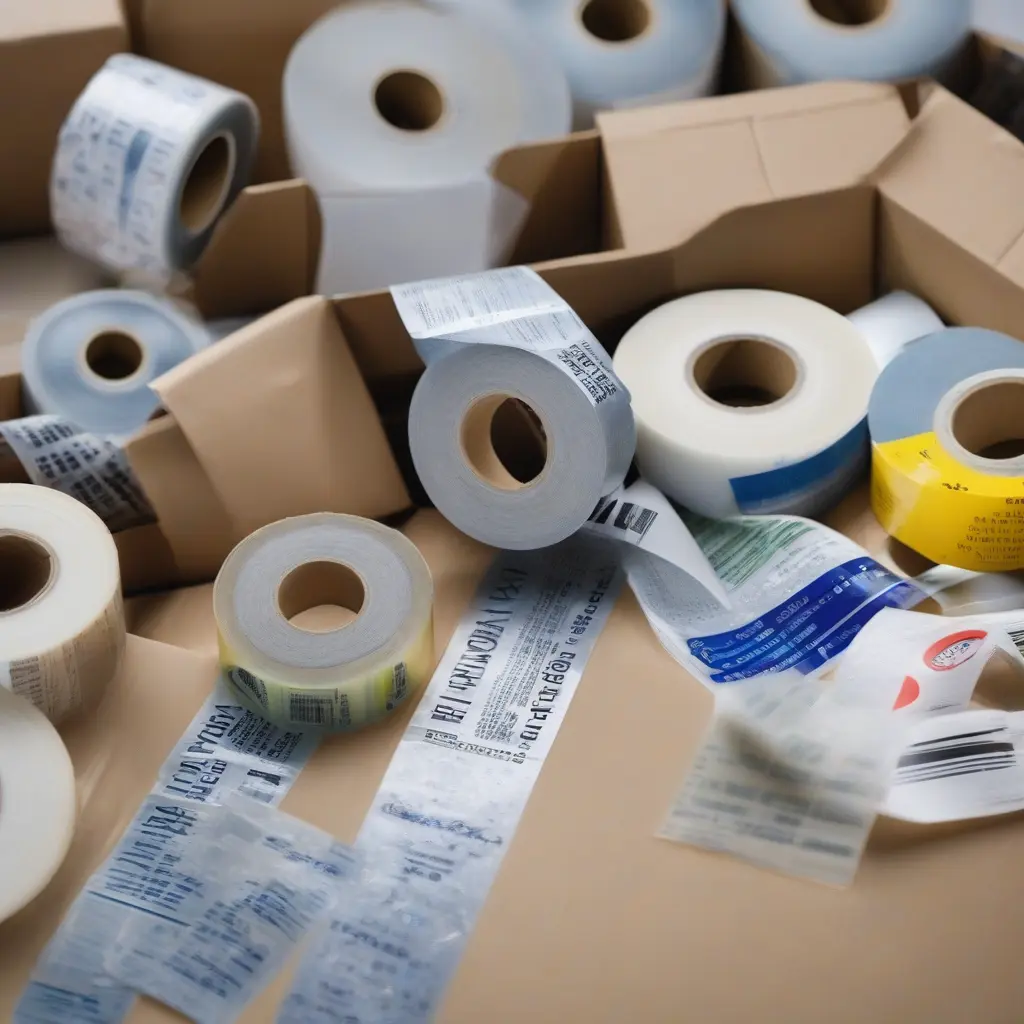
Sticky residue left by labels and tapes can be incredibly frustrating, especially when it damages surfaces or leaves an unsightly mark. Whether you’re dealing with old price tags, shipping labels, or adhesive tape, knowing how to remove this residue quickly and effectively is invaluable. This article will explore various techniques and solutions that can help you eliminate sticky residue without damaging surfaces. From household items to specialized products, we cover practical methods that will make the cleaning process effortless and efficient.
Understanding Sticky Residue
Sticky residue generally consists of adhesive compounds that bind materials together. These adhesives can be made from various substances, including rubber, acrylic, or silicone. When labels or tapes are removed, they often leave behind a layer of this adhesive. The difficulty in removing sticky residue can vary based on the type and age of the adhesive. For instance, older adhesives tend to bond more effectively, making removal more challenging. Understanding the adhesive type can significantly influence the method chosen for effective removal.
Why It’s Important to Remove Sticky Residue
Removing sticky residue is more than just a cosmetic concern; it can help maintain the integrity of surfaces and prevent further damage. Adhesive can attract dirt and dust, making surfaces appear unclean. Additionally, if sticky residue is left untreated, it can lead to discoloration or deterioration of materials, especially on wood or painted surfaces. For businesses, clean and residue-free products can enhance professionalism and customer satisfaction. Therefore, quick and effective cleaning solutions are essential for both home and office environments.
Simple Household Solutions
Many effective solutions for removing sticky residue can be found right in your home. For example, using a mixture of vinegar and water can break down the adhesive. Simply apply the solution to a cloth and rub it gently over the area. Additionally, cooking oils, like olive or vegetable oil, can also work effectively by seeping into the adhesive and loosening its grip. Both these methods are not only cost-effective but also environmentally friendly, making them great first options for tackling sticky residue.
Using Rubbing Alcohol
Rubbing alcohol is a versatile cleaning agent that effectively removes sticky residue. It works by breaking down the adhesive properties of the glue, making it easier to wipe away. To use it, apply a small amount of rubbing alcohol to a cotton ball or cloth and gently rub the affected area. This method is particularly effective on glass, plastics, and metals. However, always perform a patch test on a hidden area to ensure it doesn’t damage the surface before applying it more broadly.
Commercial Adhesive Removers
For more stubborn adhesive residues, commercial adhesive removers offer powerful solutions. These products are specifically formulated to dissolve various adhesives, making them suitable for tough jobs. When using commercial removers, follow the manufacturer’s instructions closely for best results. While these products are effective, they often contain chemicals, so ensure proper ventilation and consider wearing gloves during use. Many brands are available, giving consumers plenty of options tailored to their specific cleaning needs.
Using Heat to Remove Sticky Residue
Applying heat can be an effective method to loosen sticky residue, particularly for stronger adhesives. You can use a hairdryer to gently heat the sticky area for a short time. The heat softens the adhesive, making it easier to scrape away with a plastic scraper or your fingernail. Be cautious not to apply too much heat, as it can damage certain materials. Always test in a small area first to ensure it won’t harm the surface you’re cleaning. This method works well on surfaces like metals and some plastics.
Scraping Technique for Stubborn Residue
For particularly stubborn sticky residue, a scraping technique can be useful. Use a plastic scraper, credit card, or a similar object to gently lift the residue away from the surface. Be careful to apply minimal pressure to avoid scratching or damaging the underlying material. This method is often most effective when combined with a cleaning solution, as it can break the bond between the residue and the surface. Always ensure that you remove any leftover bits after scraping for a completely clean finish.
Preventing Sticky Residue in the Future
To minimize the occurrence of sticky residue in the future, consider choosing the right labels and tapes. Look for adhesive types that are designed to be removable or repositionable. Additionally, when you do need to remove labels or tape, try to peel them off slowly from one corner and at an angle, which can lessen the likelihood of residue being left behind. Being cautious during application and removal can significantly reduce the chances of dealing with sticky situations down the line.
Natural Solutions to Consider
In addition to common household items, there are natural alternatives that can help remove sticky residues. For instance, citric acid found in lemon juice is a natural solvent that can effectively cut through adhesive bonds. Wipe the affected area with lemon juice, let it sit for a few minutes, and then scrub with a cloth. Furthermore, mayonnaise can also work similarly; the oils can help loosen the adhesive. These natural solutions are safe for most surfaces and present eco-friendly choices for cleaning.
Safety Precautions While Cleaning
When removing sticky residue, it is essential to take certain safety precautions. Always consider the type of surface you’re dealing with to avoid unintentional damage. Wear gloves if using strong solvents or commercial adhesive removers to protect your skin. Ensure good ventilation when working with chemical cleaners, as their fumes can be harmful when inhaled. Always read the labels of any cleaning products you use for specific guidelines, including any hazards associated with their usage, ensuring a safer cleaning experience.
Conclusion
Removing sticky residue from labels and tapes can be a simple task with the right methods. Whether you choose household items, commercial cleaners, or natural alternatives, knowing the most efficient techniques will keep your surfaces looking their best. By implementing preventive measures, you can reduce the recurrence of sticky residue, making your cleaning regimen more manageable. Understanding the nature of adhesives and how to tackle them effectively will empower you to maintain a cleaner and more organized space.