Managing allergies can be a challenging task, particularly for individuals sensitive to dust and airborne allergens. This comprehensive guide outlines effective quick dusting techniques that can help minimize allergens in your living space. By incorporating these strategies into your cleaning routine, you will create a healthier environment that promotes better air quality and overall well-being. With efficient methods and easy tips, you can keep dust at bay, making your home a more comfortable place to live, especially for allergy sufferers.
Understanding Allergies and Dust
Dust is a common allergen that can trigger various allergy symptoms, including sneezing, coughing, and respiratory issues. It consists of a mixture of dead skin cells, pet dander, pollen, and dust mites. Understanding the composition of dust is crucial for effective cleaning. By addressing the sources of dust, individuals can significantly reduce allergens in their homes. Moreover, identifying specific triggers allows you to tailor your dusting strategies to target those allergens, thus improving your overall health and comfort.
Establishing a Cleaning Schedule
Creating a regular cleaning schedule is essential for effective dust management. Consistency helps prevent dust build-up and reduces allergens significantly. Aim to dust surfaces at least once a week; however, high-traffic areas may require more frequent attention. Incorporate light cleaning tasks daily, such as wiping surfaces and decluttering, to make your weekly routine more manageable. Establishing this routine ensures that you maintain a dust-free environment, promoting a healthier living space for everyone, especially those who suffer from allergies.
Choosing Effective Dusting Tools
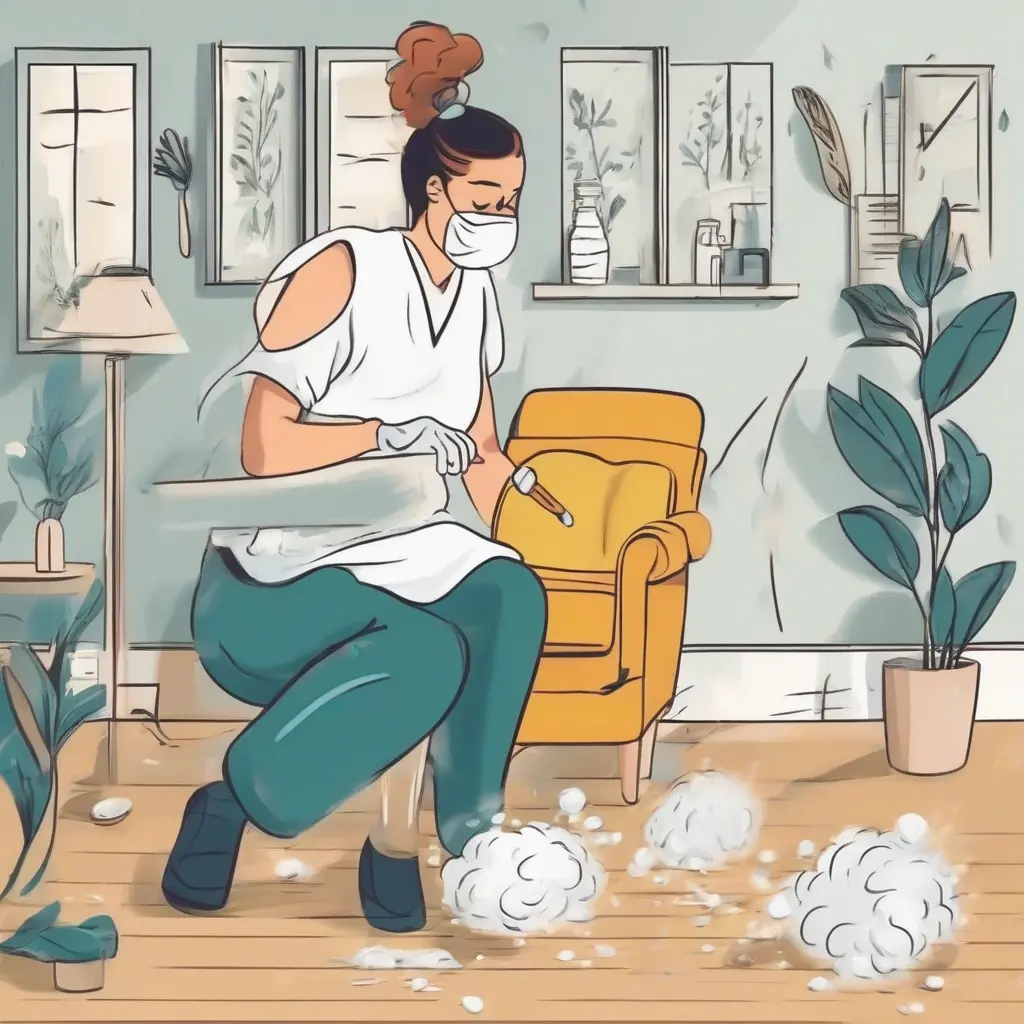
Investing in the right dusting tools can make a significant difference in your cleaning routine. Microfiber cloths and electrostatic dusters are effective options as they attract and trap dust rather than just moving it around. Avoid using traditional feather dusters, as they often scatter dust into the air. Additionally, ensure your cleaning tools are washable to maintain their effectiveness over time. By utilizing appropriate dusting tools, you can efficiently reduce the presence of allergens in your home.
Dusting High-to-Low
When dusting, always start from the highest surfaces and work your way down. This technique is vital as it ensures that dust and debris fall to lower surfaces, preventing the need to re-clean areas. Begin with ceiling fans, shelves, and light fixtures before moving on to furniture and floors. Additionally, consider using a damp cloth on surfaces to prevent dust from becoming airborne. By applying this method, you maximize the efficiency of your cleaning efforts and minimize irritation for allergy sufferers in your household.
Incorporating Natural Dusting Solutions
Using natural dusting solutions can enhance your cleaning routine while avoiding harsh chemicals that may aggravate allergies. A simple mixture of water and white vinegar in a spray bottle serves as an effective yet gentle cleaning agent. This solution not only traps dust particles but also helps to disinfect surfaces. Additionally, consider using essential oils, like tea tree or eucalyptus oil, known for their antimicrobial properties. These natural alternatives ensure a clean environment without triggering allergy symptoms, making them a suitable choice for sensitive individuals.
Dusting Fabric Surfaces
Fabrics, including curtains and upholstery, can accumulate dust quickly, exacerbating allergy symptoms. Regularly vacuuming these surfaces with a vacuum equipped with a HEPA filter can help minimize allergens. For items that are not easily vacuumed, such as cushions and fabric furniture, consider using lint rollers to collect dust effectively. Washing fabrics, when possible, further removes dust and allergens, creating a healthier environment. By prioritizing the cleaning of fabric surfaces, you enhance indoor air quality and alleviate allergy triggers.
Vacuuming Techniques for Allergy Relief
Vacuuming is a critical dusting technique that can significantly reduce allergens in your home. Ensure that your vacuum has a HEPA filter to effectively capture small particles, including dust mites and pet dander. Vacuum high-traffic areas, carpets, and rugs thoroughly to eliminate dust accumulation. Remember to vacuum in a systematic pattern, covering all areas, and frequently empty the vacuum canister to maintain its efficiency. By incorporating these vacuuming techniques into your routine, you can dramatically improve the air quality in your living space.
Cleaning Air Vents and Filters
Air vents and filters play a crucial role in maintaining indoor air quality. Dust accumulates in these areas and can recirculate allergens throughout your home. Regularly cleaning air vents and replacing filters in your HVAC system helps minimize dust circulation. Aim to check and replace filters every three months to ensure optimal performance. If you use portable air purifiers, consider cleaning them too, as they can trap a significant amount of dust and allergens. By addressing air quality through proper vent and filter maintenance, you can significantly reduce allergy triggers in your home.
Utilizing Humidity Control
Maintaining optimal humidity levels in your home can help manage dust mites, which thrive in damp environments. Aim for indoor humidity levels between 30% to 50% to reduce dust mite populations effectively. Using dehumidifiers in high-humidity areas like basements or bathrooms can assist in keeping humidity in check. Regularly check for leaks or dampness, as these can contribute to higher humidity levels. By controlling humidity effectively, you create a less hospitable environment for allergens and improve overall air quality.
Educating Household Members
Educating all household members about the importance of dust control can foster a more health-conscious environment. Encourage everyone to participate in regular cleaning routines and share the best practices for minimizing allergens, such as removing shoes at the door or keeping pets off certain furniture. Consider discussing the symptoms of allergies and the benefits of maintaining a dust-free home. By promoting awareness and teamwork, you enhance the efficacy of your dust management efforts, leading to a more comfortable living space for everyone.
Conclusion
Implementing quick dusting techniques can significantly improve air quality and reduce allergy symptoms in your home. By understanding allergens, establishing a cleaning routine, and utilizing effective cleaning tools, you create a safer environment for all residents. Incorporating these strategies will not only help maintain a dust-free space but also contribute to overall well-being. With consistent application of these techniques, managing allergies and creating a comfortable living space are within reach.