For allergy sufferers, keeping a home free from allergens is crucial for maintaining health and comfort. Daily cleaning routines play a significant role in reducing the presence of dust, pollen, mold, and pet dander, which can trigger allergic reactions. This article provides practical tips and strategies to establish an effective daily cleaning routine that minimizes allergens in your living space. By integrating these cleaning habits into your daily life, you can create a healthier environment that actively supports your well-being.
Understanding Common Allergens in Your Home
Before implementing a cleaning routine, it is essential to identify common allergens that may reside in your home. Dust mites, pet dander, mold, and pollen are prevalent irritants that can exacerbate allergy symptoms. Dust mites thrive in bedding, carpets, and upholstery, while pet dander can cling to curtains and furniture. Mold often grows in damp areas, such as bathrooms and basements, and pollen may enter through open windows. Understanding these allergens helps inform targeted cleaning strategies to reduce their presence effectively.
Establishing a Daily Cleaning Schedule
Creating a daily cleaning schedule is an effective way to ensure that all areas of your home receive regular attention. A simple checklist can help manage tasks such as vacuuming, dusting, and surface cleaning. Aim to allocate specific days for different areas, like focusing on bedrooms one day and the living room on another. This organized approach not only prevents overwhelming yourself with cleaning but also ensures that allergens are kept at bay consistently. Consistency is key to long-term allergen management.
Selecting the Right Cleaning Supplies
Choosing the right cleaning supplies can significantly impact the effectiveness of your cleaning routine. Opt for hypoallergenic and fragrance-free products, as these are less likely to irritate sensitive respiratory systems. Microfiber cloths and HEPA-filter vacuums also help trap allergens more efficiently than traditional cleaning tools. Additionally, consider using eco-friendly and non-toxic cleaning agents that are safe for both your health and the environment. Investing in the right supplies can make your cleaning routine more effective and allergy-friendly.
Daily Dusting Techniques
Dusting is an essential part of any allergy-friendly cleaning routine. It is advisable to use a damp microfiber cloth rather than a dry one to prevent dust from becoming airborne. Focus on surfaces that attract dust, such as shelves, furniture, and electronics. Make sure to dust hard-to-reach places, including ceiling fans and light fixtures. Incorporating daily dusting into your routine can significantly reduce the accumulation of allergens and prevent them from settling in other areas of your home.
Effective Vacuuming Strategies
Vacuuming is another critical component of maintaining an allergen-free home. Use a high-efficiency particulate air (HEPA) vacuum cleaner, which can trap small particles that trigger allergies. Aim to vacuum at least once a day in high-traffic areas and more frequently in spaces with carpets or rugs. Consider using the vacuum attachment to clean upholstery and curtains, as they can harbor allergens. Remember to empty the vacuum canister or replace bags regularly to prevent allergens from being released back into the air.
Maintaining Air Quality with Regular Ventilation
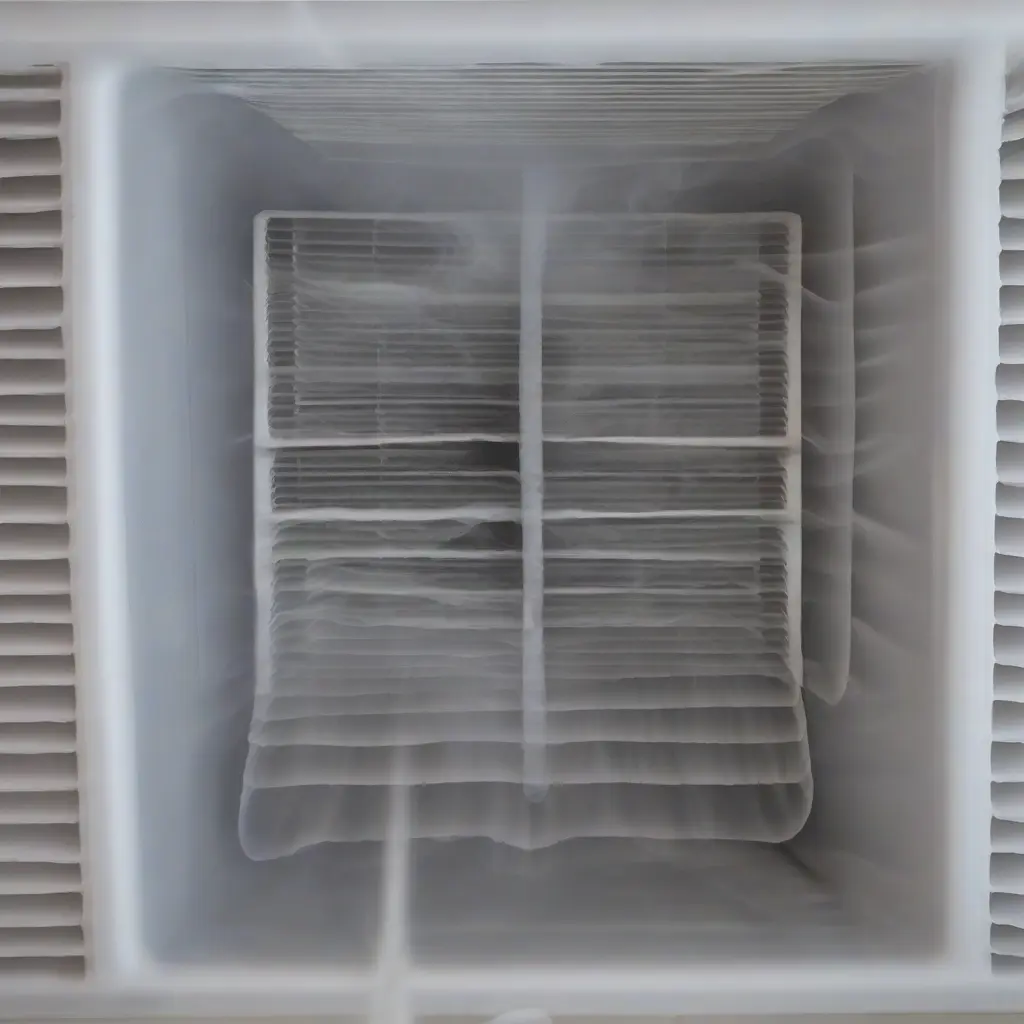
Good air quality is vital in reducing allergens within your home. Open windows regularly to allow fresh air to circulate and remove indoor pollutants. However, during high pollen seasons, it may be better to limit window use to prevent outdoor allergens from entering. Using air purifiers equipped with HEPA filters can also improve air quality by trapping airborne particles. Regularly change HVAC filters as well, ensuring they are suitable for allergy sufferers. Proper ventilation and air purification help maintain cleaner air inside your home.
Managing Pets in an Allergen-Free Home
For pet owners, managing pet allergies requires specific attention. Regular grooming and bathing of pets can reduce dander, while creating pet-free zones in the home can provide refuge for allergy sufferers. Consider using air purifiers in areas where pets spend time and always wash your hands after handling them. Vacuuming frequently is especially important in homes with pets. Training pets to stay off furniture can also help minimize allergen spread. Addressing pet allergens is crucial for maintaining a comfortable and allergen-free environment.
Dealing with Mold and Moisture
Mold growth can be a significant trigger for allergies, making regular checks for moisture essential. Keep bathrooms and kitchens well-ventilated to prevent excess humidity. Use exhaust fans during and after showers and cooking to minimize moisture buildup. Regularly inspect areas prone to mold, such as under sinks or in basements, and clean any visible mold immediately with appropriate mold-cleaning solutions. A proactive approach to controlling moisture helps keep your home mold-free and safe for allergy sufferers.
Implementing a Weekly Deep Cleaning Plan
While daily cleaning routines are imperative, a weekly deep cleaning plan should also be established. Set aside time once a week to focus on tasks such as washing bed linens, cleaning blinds, and scrubbing floors. These activities help eliminate accumulated allergens that daily cleaning may miss. It’s also advisable to rotate deep cleaning tasks each week to ensure every corner of your home gets attention over time. Adopting this strategy can provide comprehensive allergen management and improve overall air quality.
Final Thoughts on Allergen-Free Living
Living in an allergen-free environment is achievable through consistent cleaning and proactive management. By understanding common allergens, creating organized cleaning schedules, and utilizing effective products, allergy sufferers can significantly reduce their exposure to irritants. Embrace these daily and weekly cleaning routines to maintain a cleaner, healthier home. Remember to remain flexible and adapt your strategies based on your specific allergies and living conditions to create an ideal environment that enhances your well-being.