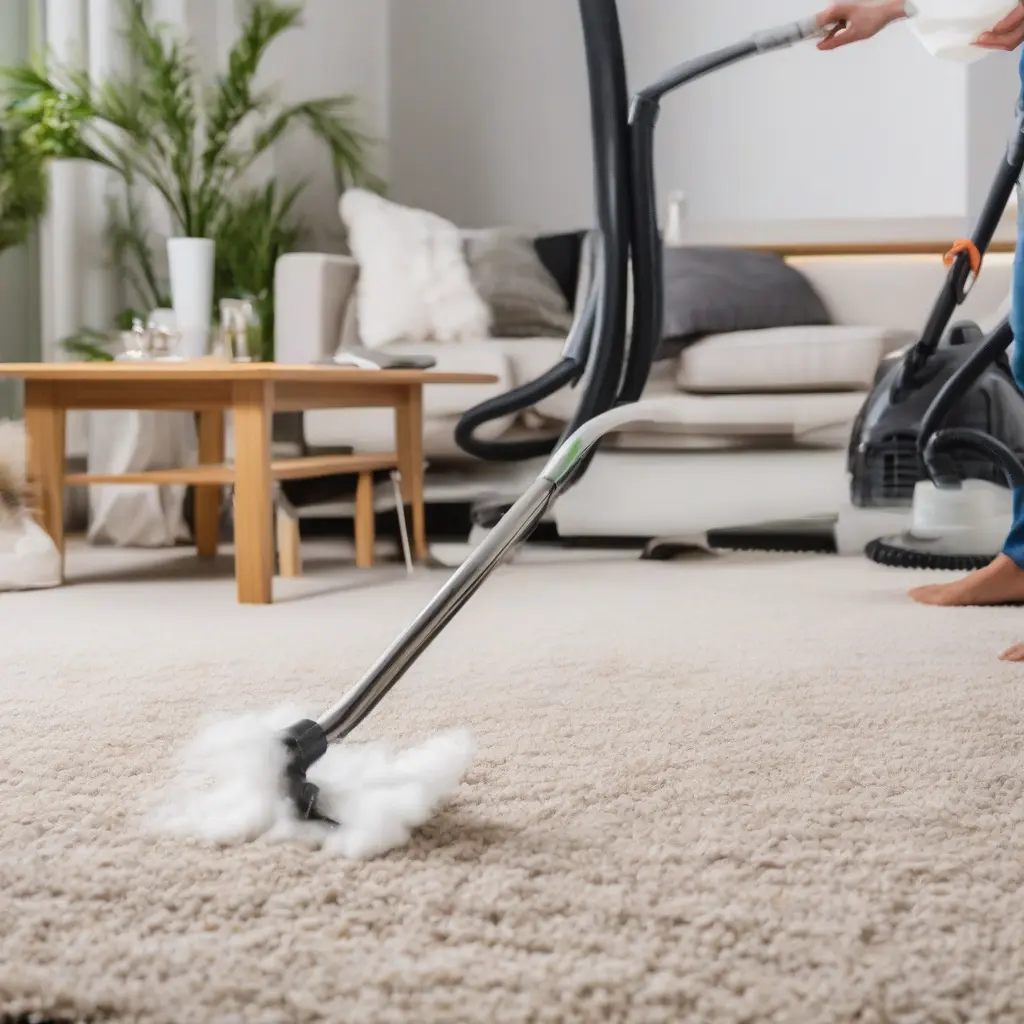
Deep cleaning your carpets is essential for maintaining a healthy indoor environment, especially if you or your family members suffer from allergies. Dust mites, pet dander, and pollen can accumulate in carpet fibers over time, leading to increased allergen levels. To ensure maximum allergen removal, it is crucial to adopt a thorough carpet cleaning approach. This guide will provide a step-by-step process for deep cleaning your carpets, along with tips and techniques to enhance effectiveness and ensure a fresher and healthier space.
Understanding Carpet Allergens
Carpets can harbor various allergens, making it vital to understand their sources. Common allergens include dust mites, mold spores, pet dander, and pollen. Dust mites thrive in warm and humid environments, easily multiplying in carpet fibers. Mold spores can develop in damp conditions, while pet dander can be particularly problematic for allergy sufferers. Awareness of these allergens aids in developing effective cleaning strategies tailored to your specific environment, ensuring you address the most significant contributors to indoor air quality issues.
Preparing Your Carpet for Deep Cleaning
Before initiating the deep cleaning process, it is essential to prepare your carpet properly. Start by removing furniture and other obstacles to allow full access to the carpeted area. Next, thoroughly vacuum the carpet to eliminate loose dirt and debris, focusing on corners and edges where dust tends to accumulate. Consider using a vacuum with a HEPA filter, as it efficiently captures allergens without redistributing them into the air. Proper preparation sets the stage for a more effective deep cleaning process, maximizing the removal of allergens.
Selecting the Right Cleaning Products
Choosing the appropriate cleaning products is crucial to the efficacy of your deep cleaning efforts. Opt for carpet cleaning solutions specifically designed to combat allergens and remove stains. Natural or eco-friendly cleaning products are often gentler on carpets and provide an effective clean without releasing harmful chemicals. Always check the manufacturer’s recommendations to ensure compatibility with your carpet material. A suitable cleaning solution not only ensures better allergen removal but also prolongs the life of your carpets.
Using a Carpet Cleaning Machine
A carpet cleaning machine can significantly enhance the effectiveness of your deep cleaning efforts. These machines utilize hot water extraction methods, which inject a cleaning solution deep into the carpet fibers and extract dirt and allergens. When using a carpet cleaning machine, follow the manufacturer’s instructions carefully to achieve optimal results. Make several slow passes over the same area to ensure thorough cleaning. The hot water extraction method is particularly effective in removing embedded allergens, leaving your carpets clean and fresh.
DIY Carpet Cleaning Solutions
For those interested in a more cost-effective cleaning approach, DIY carpet cleaning solutions can be highly effective. A mixture of white vinegar and water is often recommended for breaking down grime and neutralizing odors. Alternatively, baking soda can be used as a natural deodorizer. Applying baking soda before vacuuming can help absorb odors and allergens. Remember to test any DIY solution on an inconspicuous area of your carpet first to avoid discoloration or damage. These natural cleaning options can be less harsh and more environmentally friendly.
Regular Maintenance for Allergen Control
Regular maintenance is key to keeping your carpets clean and minimizing allergens. Implement a consistent vacuuming schedule, ideally at least once a week, to prevent dust and dirt build-up. Consider incorporating professional deep cleaning every 6 to 12 months to keep your carpets in excellent condition and allergen-free. Spot cleaning stains and spills promptly also helps in controlling allergens. By maintaining a regular cleaning routine, you can significantly enhance your home’s indoor air quality and reduce allergy symptoms.
Post-Cleaning Tips for Fresh Carpets
After deep cleaning your carpets, employ some post-cleaning tips to prolong their freshness. Allow ample drying time by improving air circulation, using fans, or opening windows. This helps prevent mold and mildew growth, which can lead to further allergen issues. Additionally, consider placing rugs or mats at entryways to catch dirt and allergens before they spread to carpeted areas. Using an air purifier can also help maintain cleanliness in your home, further reducing allergen concentrations in the air and enhancing overall air quality.
When to Seek Professional Help
While DIY carpet cleaning methods can be effective, there are situations where professional help is necessary. If you have persistent stains, severe allergen issues, or multiple carpets requiring intense cleaning, hiring a professional service may be the best solution. Professionals have access to industrial-grade equipment and specialized cleaning solutions that can address deep-seated issues effectively. Furthermore, they can assess the specific needs of your carpets and recommend the most suitable cleaning techniques to ensure maximum allergen removal.
Conclusion
Deep cleaning your carpets is an essential task for maintaining a healthy indoor environment and minimizing allergens. By understanding the types of allergens present, preparing effectively, using the right cleaning products, and maintaining a regular cleaning schedule, you can create a fresher and healthier living space. Incorporating professional cleaning services when necessary can further enhance the cleanliness of your carpets, ensuring long-term allergen removal and improving overall indoor air quality.